

The true impact secondary ticket sales have on performing arts
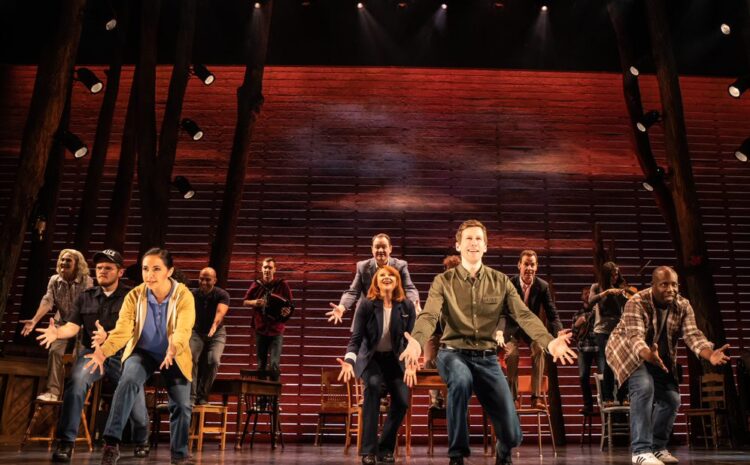
The curtains are up and stage lights once again shine on theaters, concert halls, amphitheaters and other performing arts venues across the Dayton region. Audiences denied their opportunity to absorb their favorite cultural activities can once more drink in the sights and sounds of orchestras, dance, musicals, rock shows and myriad other programs.
But a threat hovers over the sanctity of their enjoyment—here in Dayton and across the country. With the convenience of emerging technology and online sales platforms comes the burden of ticket scalpers, counterfeit ticket sellers and other types of scams that take advantage of consumers and further hinder venues already suffering from pandemic-related revenue loss.
Dayton Live, formerly the Victoria Theatre Association, has endured financial turmoil in a literal effort to keep the lights on through the pandemic.
“Hundreds of performances were rescheduled, rescheduled again and ultimately cancelled,” says Lisa Japs, vice president of ticketing and licensing for Dayton Live. “Thousands of tickets were refunded, although many patrons were generous and left the value of their tickets on account for future performances. Dayton Live laid off nearly 85% of our staff. We posted a loss of over a million dollars for the 2019-2020 season, and more than $500,000 for the 2020-2021 season.”
Grants have been a lifeline, but they’re no substitute for the regular revenue generated through sponsorships and ticket sales. “We’re so grateful for the support of local, state and federal leaders who have worked on our behalf to offer several programs that have helped Dayton Live survive the 17 months. Without funding from individual, foundation, corporate and government sources, our future would be greatly in doubt,” Japs says.
Dayton Live’s reputation is on the line just as much as revenue with scalpers. “If people think our shows are way too expensive because of scalper sites selling at much higher rates, then they aren’t going to get the fact that we’re a not-for-profit arts organization for whom sponsors, grants and donations are essential,” says Sue Stevens, Dayton Live’s vice president of marketing and communications. “That reflects negatively on our tremendous local sponsors who support us because we are not-for-profit and contribute so much to the quality of life in our community.”
Counterfeit ticket sales threaten that recovery, for venues and artists alike. “When patrons go to buy tickets to their favorite artist or event, and the prices are so high they cannot afford to go, it makes those fans feel like the artist is more concerned about money than them,” Japs says. “But the truth is most artists I have worked with make every effort to ensure ticket prices are accessible to as many fans as possible. Those inflated prices are not going to the artist or the show; they’re strictly profit for the secondary ticketing/scalper site.”
This issue plagues venues and artists across the country. In 2016, the Federal Trade Commission introduced the Better Online Ticket Sales (BOTS) Act, aimed at preventing secondary sales companies from skirting ticket purchase quantity limits established by any venue.
Of course, clever scalpers find their way through loopholes. Only recently in January 2021 has the Department of Justice settled its first enforcement of this act, resulting in $3.7 million in fines. As alleged in the three complaints filed by the United States in the Eastern District of New York, ticket resale companies violated the BOTS Act when they purchased thousands of tickets from Ticketmaster they then resold for millions of dollars in revenues, often at significant markups. The defendants allegedly circumvented Ticketmaster’s restrictions on users holding multiple accounts by creating accounts in the names of family members, friends and fictitious individuals, and using hundreds of credit cards. They also allegedly used ticket bots to fool tests designed to prevent nonhuman visitors. In addition, the complaints assert that the defendants used programs to conceal the IP addresses of the computers they used to make purchases.
“Those who violate the BOTS Act cheat fans by forcing them to pay inflated prices to attend concerts, theater performances and sporting events,” Acting U.S. Attorney Seth D. DuCharme said in a written statement. “This Office will spare no effort in prohibiting deceptive practices that harm consumers.”
For Dayton Live, the damage comes not only from patrons unable to acquire tickets, but the detriment to customer service that negatively impacts the organization. “The main issue is that we do not have direct contact information for these ticket holders,” says Japs. “Secondary ticket sellers purchase tickets from us under their names or fake names. If the show is postponed or additional safety measures are put in place (due to changing COVID-19 protocol), we have no way of letting the ticket holder know directly.”
Dayton Live also has no recourse to issue refunds, switch show dates or other service issues when the owner on record in their system differs from the entity who purchased the ticket. “There’s always the chance that a site is completely bogus and the patron who buys from that site will be out their money and never get any tickets,” Japs warns. “Most secondary ticketing sites are legit—they just sell tickets at a marked-up value and you may not be able to select exactly where your seats will be.”
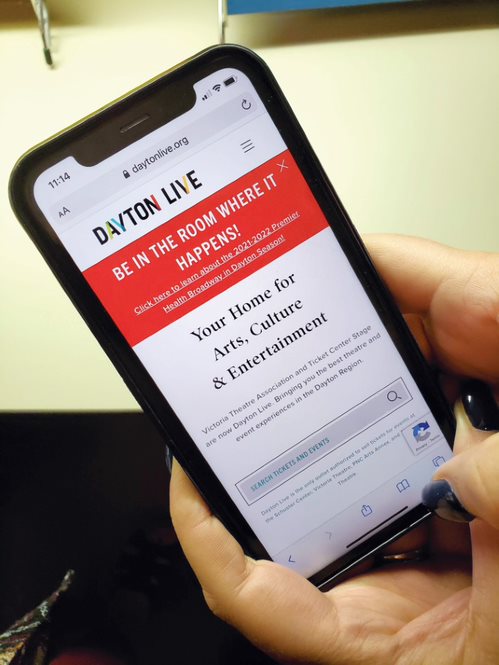
Japs says the risks of purchasing tickets from a secondary source outweigh any benefits. “If you buy directly from daytonlive.org, you’ll pay only the ticket prices authorized by the show’s producers or the artist’s management—plus you’ll get all the service and benefits of buying from Dayton Live, the official nonprofit arts organization that operates the venues,” she says.
Dayton Live and Japs have a few tips on ensuring a purchased ticket is legitimate. “Always try to go directly to the venue or artist webpages to buy tickets,” she says. “Re-sellers spend a lot of money on advertisements and other promotions, so those results may appear first on web searches. They also design their websites to look like they are the official sales agent. Before entering your credit card information into any site, I would suggest taking a look at their ‘About Us’ page. Most secondary ticketing sellers will have language that they are an independent outlet.”
Of course, the easiest way patrons can ensure they’re getting the best seat in the house (and the seat they paid for) is to purchase directly through the website at daytonlive.org, or contact the box office at 937-228-3630.
