

Miami Valley’s nonprofits create higher quality of life thanks to local support
Over the years, specific adjectives recur when describing the people in the Dayton region. “Gritty.” “Creative.” “Determined.” “Innovative.” Certainly a word most accurately representing Miami Valley would be “generous,” based on the volume and impact of nonprofit organizations in the region. Let’s take a look at some of the ways local nonprofits contribute to a higher quality of life.
A Generous Legacy
Dayton can trace its magnanimous roots back to the turn of the 20th century. One of the early big fundraising campaigns was through the Dayton Citizen’s Relief Committee John Patterson organized in 1913. Thanks to the generosity of Miami Valley residents, the committee quickly raised a $2 million Flood Prevention Fund. The five earthen dams and subsequent parklands that the program funded still exist today. The Dayton Foundation, which was founded in 1921, is the 18th oldest community foundation in the nation. (The Cleveland Foundation was the first in 1914.)
But why wait for a disaster to strike to raise money? Why not have a community fund that was immediately ready to deploy when it’s needed?
“The idea of creating a community foundation in greater Dayton was proposed by Dr. D. Frank Garland, then director of welfare for National Cash Register Company, and put into motion by Patterson,” says Michael M. Parks, president of The Dayton Foundation. “Together with his sister-in-law Julia Shaw Patterson Carnell—Dayton’s leading businesswoman and a major underwriter of The Dayton Art Institute—and nephew Robert Patterson, senior executive at NCR and a noted civic leader, they made the initial donation of $250,000 to establish The Dayton Foundation. Today, the foundation has grown to more than 4,000 charitable funds with assets totaling over $1 billion.”
The Dayton Foundation is the region’s largest grant maker, with more than 4,000 charitable funds that awarded more than 19,000 grants totaling nearly $58 million last year during the foundation’s centennial. “Since its inception, the foundation and its fund holders have awarded more than $1.1 billion in grants to charities locally and around the world,” Parks says.
Philanthropy isn’t just for the wealthy. The Dayton Foundation’s Family Foundation Plus program offers many of the advantages of establishing a private foundation without administrative hassles and tax issues. The free Charitable Checking Account Service allows individuals, families or organizations to create a fund to give to the charities of their choice whenever they wish, with no minimum fund balance or deposit required.
“For a region our size, we are an extremely caring and charitable community,” Parks says. “The Dayton Foundation is ranked among the largest of nearly 800 community foundations located throughout the nation. In the most recent ranking, the foundation was 40th in grants (total dollars) awarded, 39th for new gifts received and 42nd in market value of assets. The foundation also is second among all community foundations nationwide in the number of charitable funds and third in the number of individual grants awarded—more than community foundations in New York City, Los Angeles and Chicago.”
Back to Basics
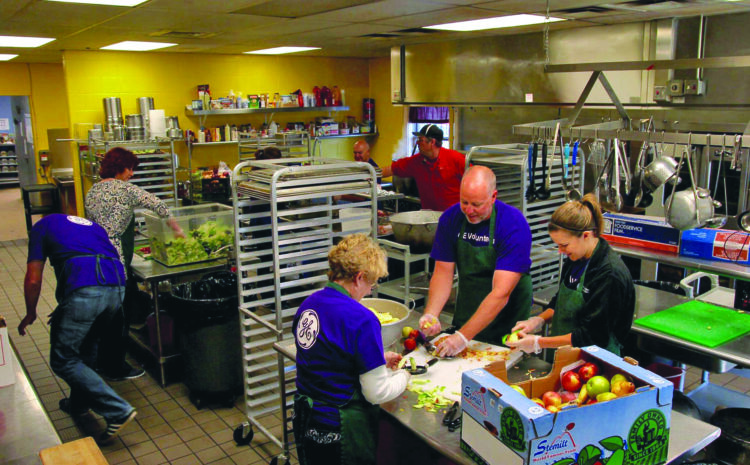
Founded in 1983 by Sister Dorothy Kammerer and businessman Joe Bettman, the House of Bread prepares and serves hot nutritious lunchtime meals every day of the year from 11 a.m. to 1 p.m. During the summer, the community kitchen also serves dinner to children from 5 to 6 p.m.
House of Bread is well positioned to help connect guests to other service areas. According to Executive Director Melodie Bennett, people who struggle with hunger usually face other hardships, and her organization can act as a conduit to additional social services.
“We don’t believe in duplicating programs or resources offered by other social service agencies in the area,” she says. “So while our guests enjoy lunch, we offer them referrals and assistance in accessing needed resources. We help our guests with everything from a simple phone call, referral to emergency shelter or help with finding a preschool for their children.”
This nonprofit not only continued to serve meals to those in need through the pandemic, it also provided space for public health workers to offer COVID-19 vaccines and other basic health services.
“We hired a community health worker to provide services that improve the overall health of individuals and families coming to us for assistance,” Bennett says.
Those who wish to contribute to House of Bread’s mission may do so with the same “Three Golden Ts” requested by most nonprofits—time, talent and treasure.
“We are now accepting volunteers to help with the daily serving of the lunchtime meal,” Bennett says. “We are looking to bring back our Empty Bowls event and are requesting volunteer help from people in marketing/public relations.” Financial contributions and product donations are also accepted. “The most requested items by our guests actually are not food related, but rather ask for help with transportation, including shoes and socks,” she says.
Smashing Social Barriers
While some nonprofits are tackling immediate needs, like food, clothing and shelter, others focus on improving social structures. The YWCA Dayton is a champion of women and girls in three key ways: direct service programming, community outreach and education, and advocacy and public policy support.
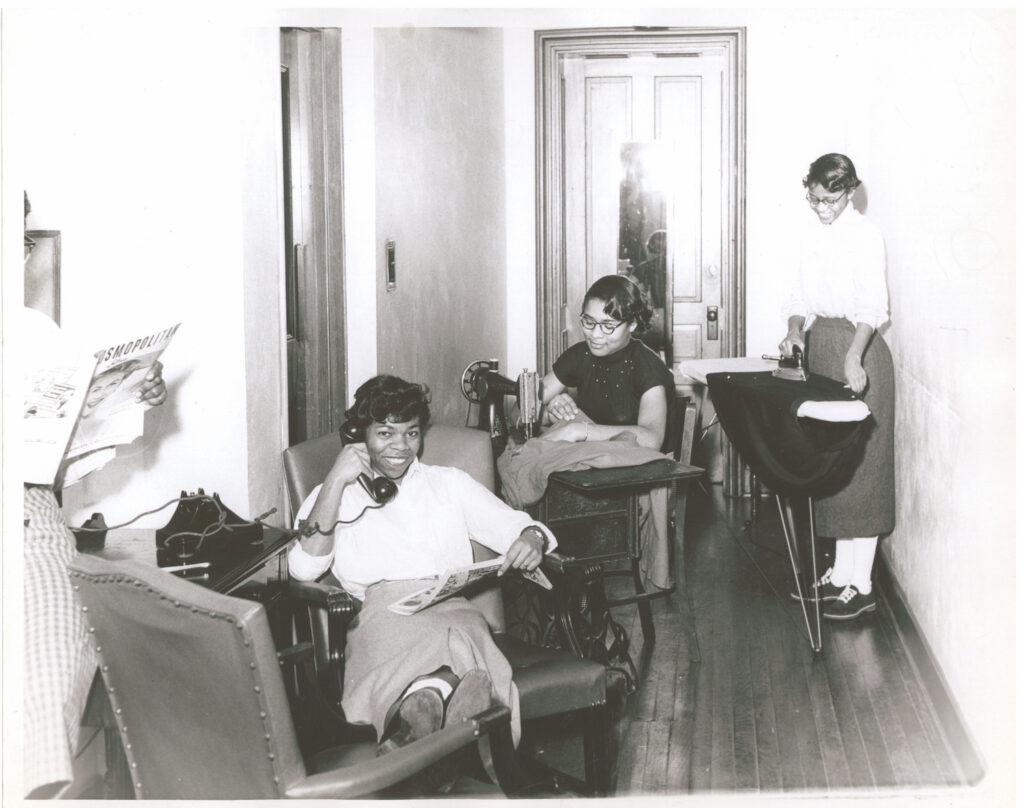
“We can trace our roots back to 1870 when seven women joined together to ask of themselves and of the Dayton community what they could do to ‘elevate women in our midst,’” says Kaitlin Schroeder, marketing and communications manager for the organization. “Their response became the foundation for YWCA Dayton—the third YWCA in the state of Ohio.”
The YWCA operate the only domestic violence shelters and rape crisis centers in Montgomery and Preble counties. The organization also provides affordable housing and housing-related services for women and families who are victims of domestic violence or at risk of homelessness.
Targeting young women who may be vulnerable to future situations, the YWCA empowers teens to explore and achieve their highest potential through Girls LEAD!, an in-school, after-school and summer camp empowerment and education program for girls.
Preventing domestic violence also requires a shift in behavior that starts with social influences. AMEND Together is a program for boys that seeks to challenge the culture that supports violence and to cultivate healthy masculinity in men and boys, which can change the future for women and girls. AMEND Together partners with local schools to provide AMEND clubs across the Dayton area, providing a safe space to talk about healthy masculinity and gender-based violence.
Another area of specialization is advocacy. The YWCA pushes for legislative priorities that address racial justice and civil rights, women’s economic empowerment, and women’s health and safety.
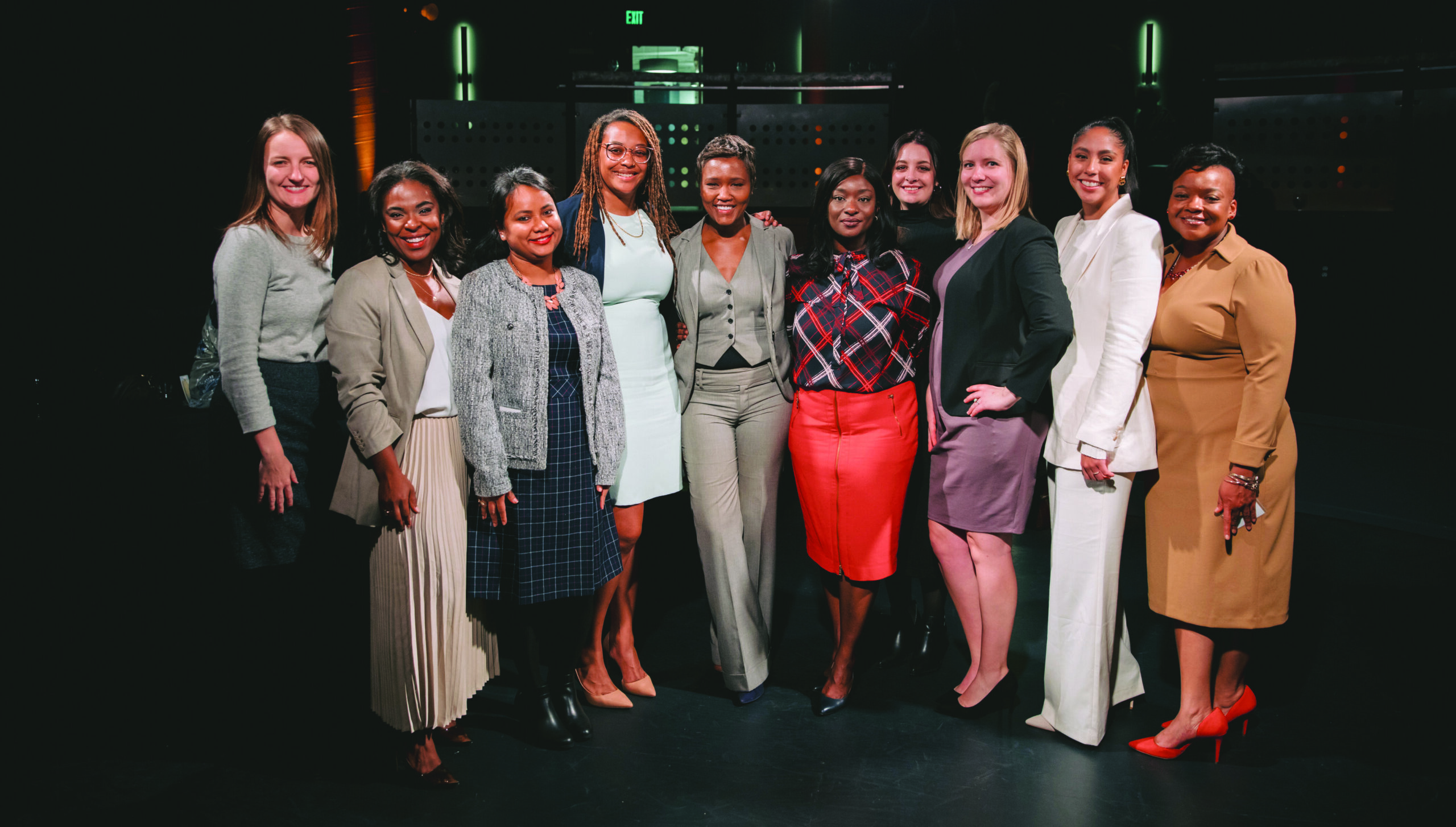
“We just launched our second women’s leadership cohort centered on leading through philanthropy, and through the lens of racial and gender justice,” Schroeder says.
Just last year, the YWCA provided 15,101 shelter nights of stay, answered 6,025 hotline calls, assisted 420 people with housing, reached 190% more youth, endorsed more than 30 pieces of legislation and received 1,197 donations of clothing and home goods.
“This year, we are going to continue to work on building up our Huber Heights campus, which we acquired two years ago and have started expanding services to the site,” Schroeder says.
