


Finding the right pace is key to an active lifestyle, according to local doctors
As the summer heats up, people are more eager to get outside. Parks get busier with hikers, pools and lakes crowd with swimmers, and fitness becomes top of mind for many. While getting out and moving is universally accepted as one of the healthiest things a person can do, Dr. Gretchen L. Polinski, a family and sports medicine physician at Kettering Health, says exercise isn’t a one-size-fits-all approach. “It’s more about finding what you enjoy doing and getting out and being active,” she says.
Polinski cautions against those trying to insert exercise into their routine with an “all or nothing” approach. “Getting back into exercise should be a gradual progression,” Polinski, who also has a master’s degree in clinical exercise physiology, says. “[If not,] that can lead to overtraining, stress fractures, those kinds of things.”
In a time when obesity is on the rise and an aging population is developing arthritis, Polinski emphasizes the importance of movement. She says these two ailments could be improved upon—if not completely prevented—with movement.
“People think, well, I shouldn’t go and be active with knee arthritis, back arthritis, but really movement is great for all of them,” Polinski says. “If you’re keeping yourself strong, that is going to help decrease pain, increase your mobility and also just later on down the line, it can help decrease falls and risk of hip fractures … even if it doesn’t result in weight loss, it does decrease the risks of these events.”
Polinski also emphasizes the importance of not letting age determine whether or not you’re able to be active. “You can get benefits [from exercise] at 80 years old just as you can get the benefits at 20 years old,” she says “Age does not make the difference … It’s just going to be that slow progression and finding out your goals aren’t going to be the same as someone else’s.”
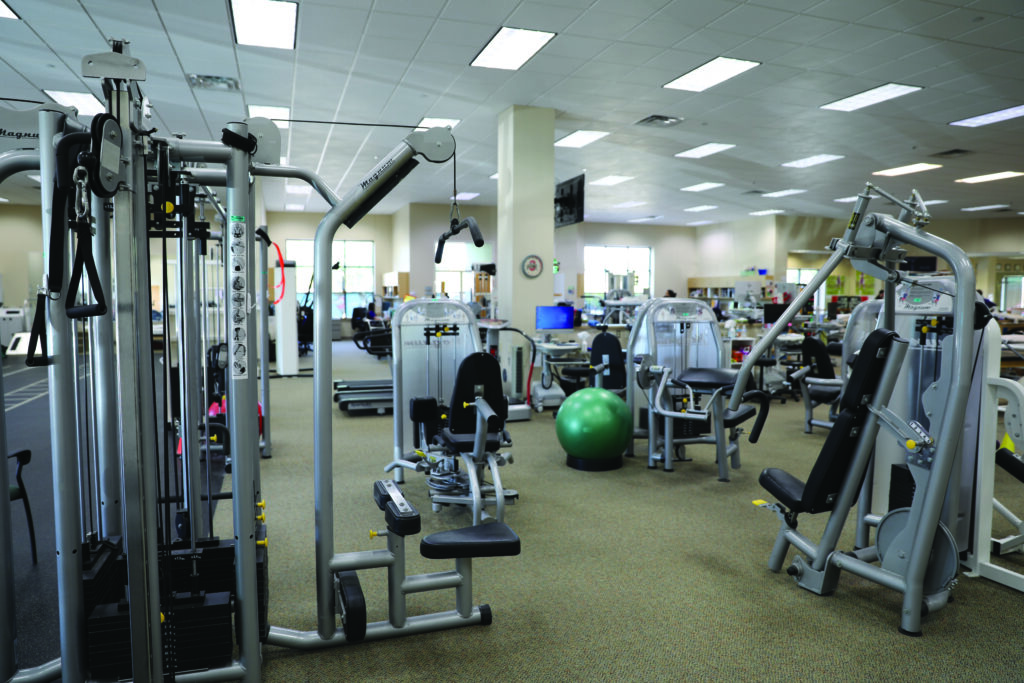
In addition to the overworking of the body, Polinski warns of mental fatigue. “[If] they’re sore, they can’t move … And then they say, ‘Well, I don’t think I want to do any of this anymore,’” she says. One way to prevent this, Polinski says, is to approach exercise cumulatively, spreading out the 150 minutes recommended throughout the week and even the day. “A lot of times, it’s about meeting people where they’re at,” Polinski says of her recommendations for a more active life. With several roadblocks keeping people from having the physicality they wish they did—schedules, mobility, cost, etc.—it is important for physicians to try and encourage patients the best way they can.
For example, Polinski mentions how she encourages her patients with joint pain,
“Instead of saying, ‘OK, I’m going to go walk or run,’ sometimes there’s access to bikes and or pools—things that don’t necessarily have that high impact are their joints,” she says.
There are other ways for people to increase accountability for going to the gym. Polinski recommends finding a group of friends to go to the gym or attending an exercise class.
These fitness efforts can be more straightforward—Polinski mentions programs like SilverSneakers or YMCA— or anything that gets people moving.
“Some people don’t want to have the mundane treadmill,” she says. “They can have the different things that don’t seem to be that typical gym [experience]. Whatever someone enjoys. I think that’s what they should pursue.”
