

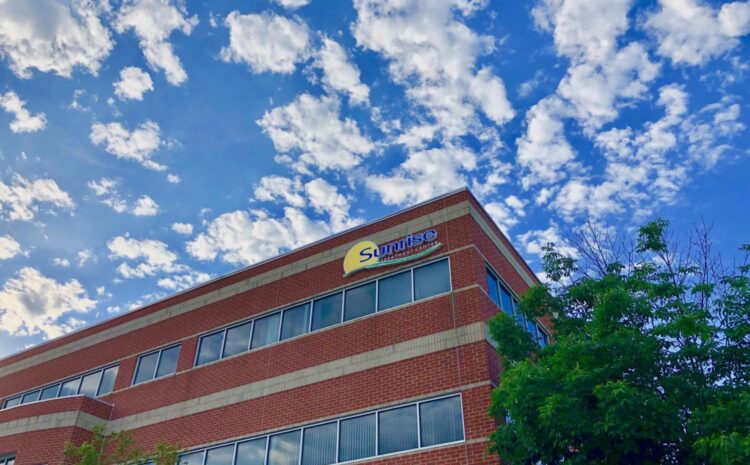
Sunrise Treatment Centers have continued to treat addiction despite the pandemic
While many things have changed in 2020, the need for addiction and mental health services has not.
“Unfortunately, the pandemic has been hard on people struggling with substance use disorders. As of now, there’s a chance that we’ll see as many overdose deaths in 2020 as we had back in the record-setting year of 2017,” says Dr. Jeffrey Bill, founder and CEO of Sunrise Treatment Center, a substance abuse treatment program with locations in the West Side of Cincinnati, Cincinnati’s Over-the-Rhine neighborhood, Forest Park, Middletown, Milford, Dayton and Piqua.
Offering medication-assisted treatment, individual counseling, urinalysis, case management and crisis intervention—along with general medical, mental health and outpatient services—Sunrise has worked to keep up with the need for its services during this trying year.
“We did see a 45% increase in 911 calls and EMS runs for overdoses from April to May, and another 25% from May to June,” says Bill. “The number of people entering treatment at Sunrise throughout March and the first half of April was actually below average, but the demand for services has been rising since, which coincides best with when the state moved to begin the reopening process on May 1.”
According to Bill, these increases are unsurprising, as the stressors we’ve all experienced are also impacting those who struggle with substance abuse.
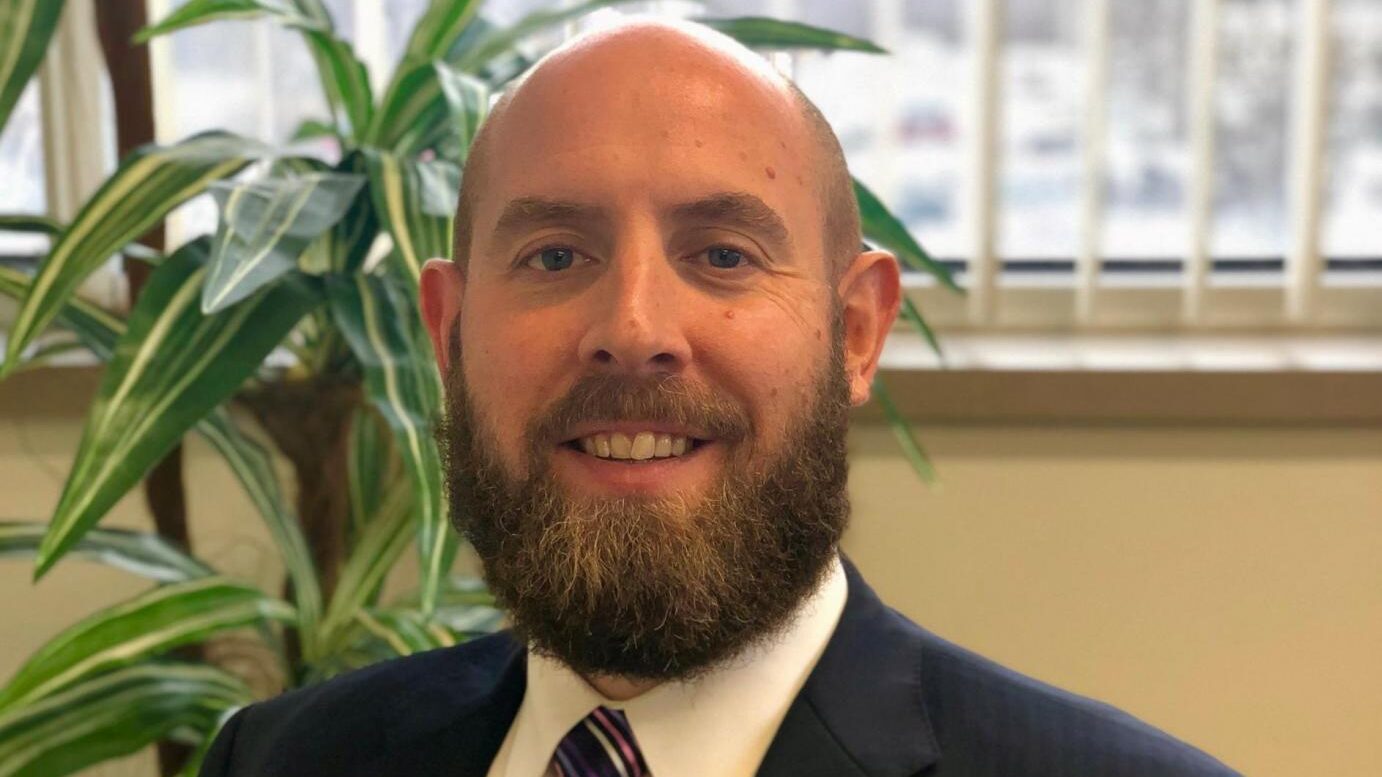
“The maladaptive patterns of behavior associated with substance use become hard wired circuits in the brains of those who are using regularly. During times of undue stress and strain, it becomes extraordinarily difficult to override those circuits and resist the urges to use as a way to cope,” he says. “It’s a lifelong effort to remain in recovery, with a risk of relapsing as high as 15% even after five years of sobriety—and that’s in ‘normal’ times.”
Since Governor Mike DeWine issued his stay-at-home orders in March, Bill says Sunrise has worked hard to keep employees and patients safe. Bill credits part of the company’s success to responsive state leaders.
“It was refreshing to see a well-coordinated team of government officials in action so that SUD and mental health providers could continue to effectively treat their patients while keeping their employees as safe as possible,” he says. “Our primary payer is the Ohio Department of Medicaid, and they, too, came through in the clutch to approve relaxed rules for the provision and billing of services via telemedicine.”
Another important aspect that allowed Sunrise to adapt was its adaptable staff. At the beginning of the pandemic, Sunrise was able to transition more than 90% of its corporate staff to working from home and created a rotating schedule that reduced its staffing levels by 80%. The center reduced its services and didn’t start resuming programs or increasing staffing levels until June. In July, Sunrise was operating at about half its usual onsite staff and continuing the majority of its patient care through telemedicine.
“Going through this has made us realize how valuable our services are to the patients that we serve, and how blessed we are to have the people working at Sunrise that we do,” adds Bill.
While Sunrise was adapting to the pandemic, the center was also expanding, adding a new location in Piqua. The process of bringing the center to Piqua began back in August of 2018 and construction was completed in February. Despite the unexpected problems causes by COVID-19, Sunrise successfully opened the new location.
Another win for Sunrise Treatment Center also happened this year—it was named a Certified B Corporation. To be certified, a company must prove that it meets “the highest standards of social and environmental performance, public transparency and legal accountability to balance profit and purpose,” according to the website. Other companies with this certification include Patagonia and Ben & Jerry’s. Sunrise Treatment Center is the first Opiate Treatment Program (OTP) to receive this designation.
