


Local medical professionals offer tips for those looking to set boundaries and decrease stress
The COVID-19 pandemic has changed the way many Americans feel about work. What before was perhaps just a job has become a constant source of stress for many people, causing burnout and unhealthy amounts of stress. Those who work from home may find it difficult to set boundaries when their whole life is lived within a single building and those who go into work may now have added stress, too, in addition to the stress their previous workload may have caused them.
According to a poll conducted by The Washington Post-Schar School, nearly 1 in 3 U.S. workers under 40 have thought about changing their career since the beginning of the pandemic. The study cites the desire for a new lifestyle, one that allows for a less stressful day.
This conversation regarding workplace culture and mental health has extended beyond the average American. Many celebrities have opened up about how their job affects their mental health and have taken steps to protect themselves in ways we haven’t seen before. Simone Biles famously pulled out of some of her Olympic competitions, saying she was not in the right “headspace.” Tennis star Naomi Osaka has also been outspoken about her struggle with her mental health, going as far as pulling out of Wimbledon, saying she was “taking some personal time.”
By having these celebrities put emphasis on managing expectations and productivity while also allowing themselves to take time to focus on their mental health, more and more people are realizing that feelings of burnout and stress are normal and it’s important to try and take some time for themselves.
“I think it’s long overdue,” says Dr. Christopher Aviles, the chief medical officer at Sunrise Treatment Center in Middletown. “I’m grateful that Simone Biles and people of that stature are openly discussing mental health.”
Aviles says that it’s critical that employers make sure that they are creating an environment that allows for their employees to be productive without sacrificing their mental health. At Sunrise Treatment Center, there are break rooms for each department and the staff always makes a point to have a time during the day where they can get their minds off work— such as a staff lunch or reduced hours on certain days. This, Aviles believes, is what makes for a healthier workspace and decreases the likelihood of burnout.
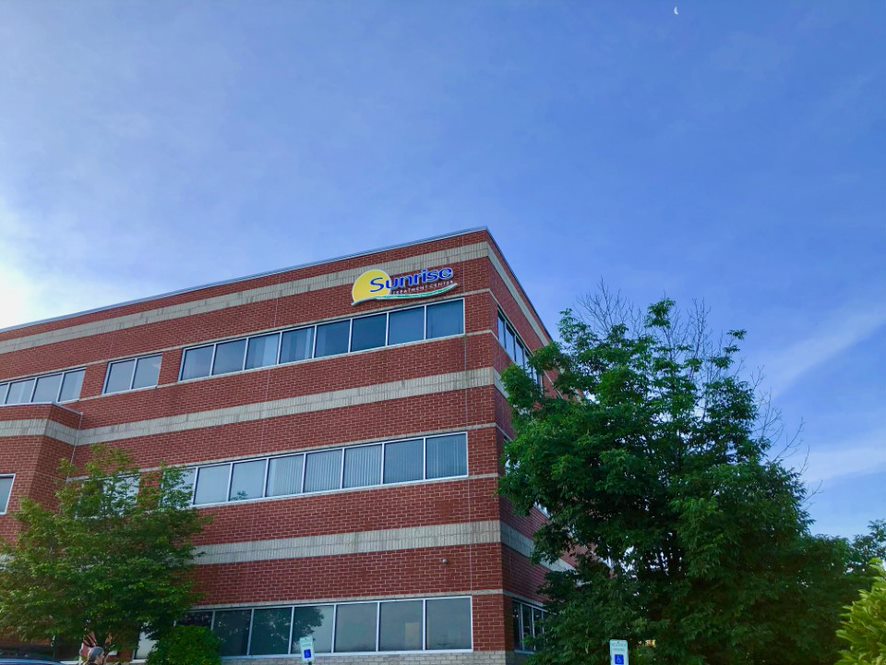
Although not everyone works for an organization or business that is able to provide this, there are still ways to prevent burnout. “I know some of our staff enjoy meditation, yoga and going for walks,” Aviles says. He also encourages getting out of the building for your lunch, if possible.
While not every person is able to take time out of their work to protect their mental health, Aviles says there’s still ways to practice self-care, even in a busy schedule. “While driving, I really focus on my breathing and my heart rate. I also focus on looking at license plates, just thinking of something else and not work,” he says.
Experts say it is crucial to try and find a way to complete your work in a manner that still protects your mental health. For Julie Manuel, clinical program manager and psychotherapist at Kettering Health, a way to go about that is “to try to find a new routine that you can implement,” Manuel says, “setting up a new routine, similar to what you were doing pre-pandemic has been very helpful.”
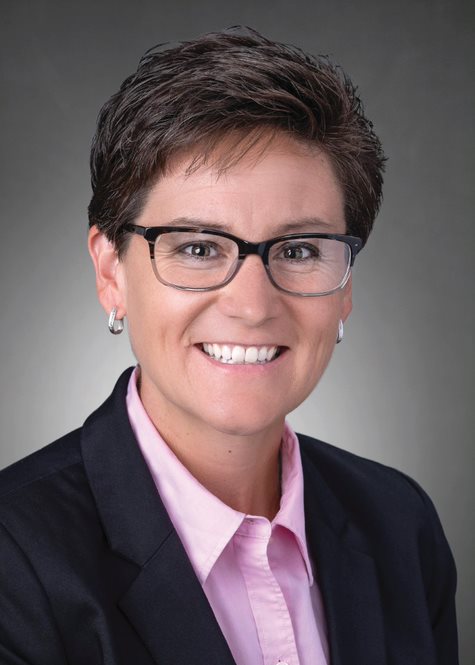
Manuel also adds that managing stress before work is important, as a routine doesn’t eliminate all stress. “I get up and work out every day prior to coming to work. For me, getting some of that stress out in the morning and then trying to manage my expectations for my day is helpful,” Manuel says.
Although it may seem like burnout is more of a problem than ever before—and it very well may be—both Manuel and Aviles believe we’re headed in the right direction in terms of allowing people to protect their mental health over being productive.
“I think that we are moving in the right direction, if we can continue the open dialogue and the open lines of communication,” Manuel says.
Because she is such an advocate for mental health, Manuel tries to do her part in making sure the people who work under her are able to manage their work without sacrificing their mental health and encourages others to do the same. “I try very hard to make sure that my door is open, that I’m opening lines of communication to my employees and to my staff and I try to make sure that we’re talking about these things, rather than shutting them down.
“I think that having open lines of communication, having dignity and respect and giving each other grace every single day is how we continue this discussion,” Manuel says.
Although many people may believe that because they don’t have what they see as a “real” mental health issue and therefore believe they don’t need professional help, Aviles and Manuel disagree.
“Try and connect with a local organization. Even if you don’t feel that you have clinical depression, getting a consultation never hurts,” says Aviles.
“There’s a lot of different things out there if you’re not to the point where you really need to come in for that therapeutic assessment or treatment,” Manuel says, while noting that Kettering Health’s inpatient facility is a good resource for those who are struggling with their mental health in addition to several support groups.
While the pandemic has certainly caused a lot of mental health struggles, Manuel believes that we can create a society that is more concerned with mental health than productivity saying, “I think that it’s about trying to give yourself grace, but I think we each need to give each other a lot of grace, too.”
