

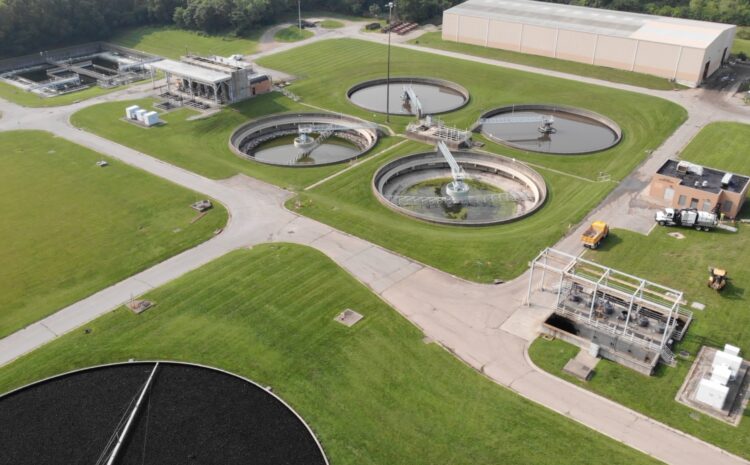
Dayton Water is working to secure trust and clean water for generations to come
Every time you turn on your faucet, it is easy to do so without a second thought. However, many may not be aware of the work that brings clean and safe water to their homes. For City of Dayton Department of Water, this is perhaps the goal: piece of mind and trust in the infrastructure that provides safe H2O. Dayton Water has worked for decades now delivering clean drinking water to those within its system.
Much like other water systems, the core of Dayton Water’s mission is the upkeep of the systems, known as the capital improvement plan, according to Karen Thomas, marketing account management representative for the City of Dayton Department of Water. “We want people to understand that we’re trying to be sustainable for generations and generations to come,” she says. “So we’re being very, very strategic.”
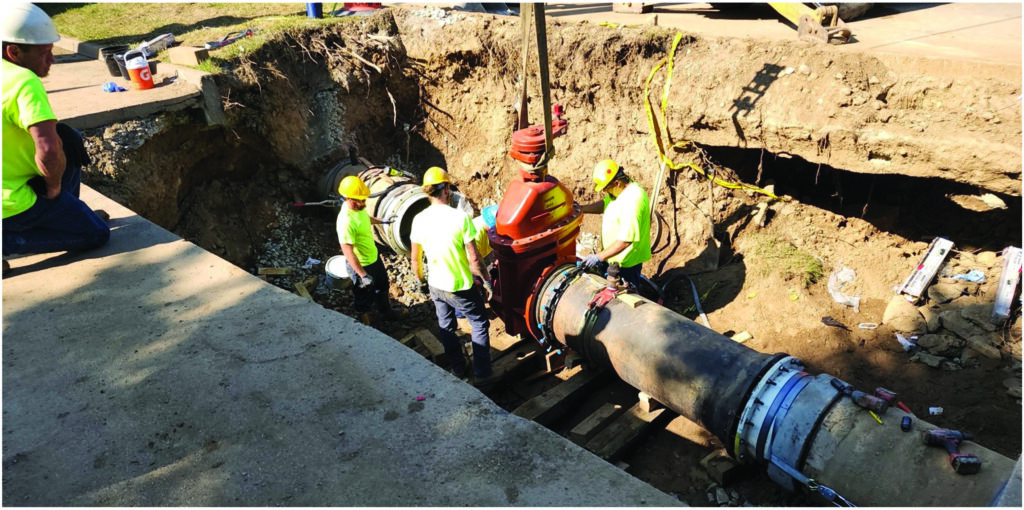
This plan includes an annual budget to replace pipes and repair, rebuild and invest in the infrastructure. These capital investment plans are in addition to the EPA-mandated compliance programs, along with other steps that Dayton Water takes to ensure clean drinking water. This includes switches to more sustainable procedures, such as collecting the methane off the wastewater before selling it. In addition to improving the system, this procedure helps create revenue for the city, as the methane can be sold to an energy company.
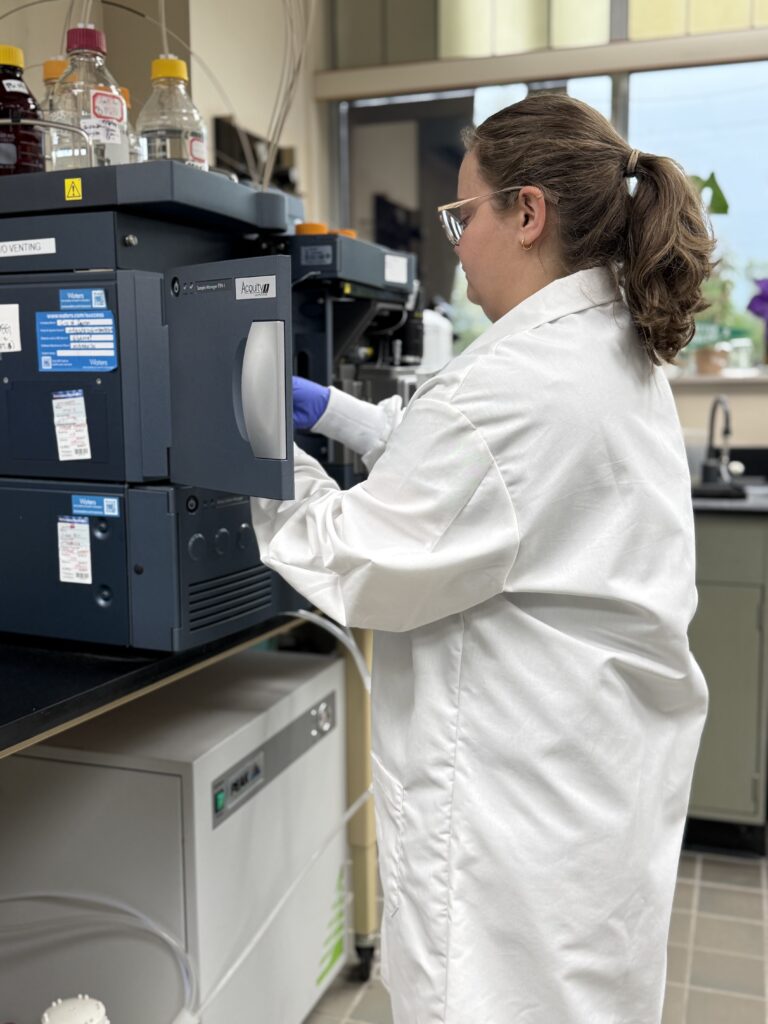
While these current innovations help propel Dayton’s water systems into the 21st century, the organization has a long history of being at the forefront of water innovation, going back to the early 20th century. The Great Dayton Flood, which saw the Great Miami River inundating the city, required that the city build some of the first flood control measures.
“Our forefathers were so ingenious that they created separate systems,” Thomas says. “Our sewer system is separate from our drinking water system, which is separate from our storm water system. Municipalities are having to spend millions and millions of dollars trying to separate because now it is a mandate that we have separate systems. We were ahead of the game.”
It is because of these innovations over a century ago, along with other continued efforts, that Dayton Water has gained recognition, with Thomas calling Dayton “a leader in utility benchmarking.”
While Dayton may have plenty to boast about when it comes to water, the city also recognizes the struggles that comes with trust in water. “Water is everything, and we always go above and beyond to make sure that our customers receive quality water, and so that’s important to be trusted,” Thomas says. “Just having a presence in the region and having the ability when people speak about Dayton water not in a negative light [is important]. It’s important for us to reconnect ourselves to our customers so that they can understand our value proposition.”
Some ways that Dayton water tries to increase its reputation as a trustful resource is through community outreach. One of these methods in particular is youth outreach, according to Thomas. Some of this is traditional educational efforts, such as attending events and informing residents why Dayton Water is an important piece of public health. In addition to those efforts, the organization works to create an atmosphere in which young Dayton residents can see themselves potentially working in one day. Its Children’s Water Festival seeks to introduce elementary schools to the importance of water, bringing fourth graders to the facilities.
Thomas sees this as a particularly important strategy as the organization seeks to upgrade the systems and prepare them for future problems, which in return will require tax dollars. “We’re going to have to ask for a rate increase and we want people to know why,” she says. “Dayton is being proactive in making investments to update our systems, our pipes, our infrastructure.”
Although Dayton Water works to bring the community into its effort through outreach, it also hopes the community will assist it in its mission to deliver safe drinking water to all residents of the city. The Know Your Pipes campaign is an initiative from the organization that seeks to involve the residents of the community in its quest to modernize the water infrastructure.
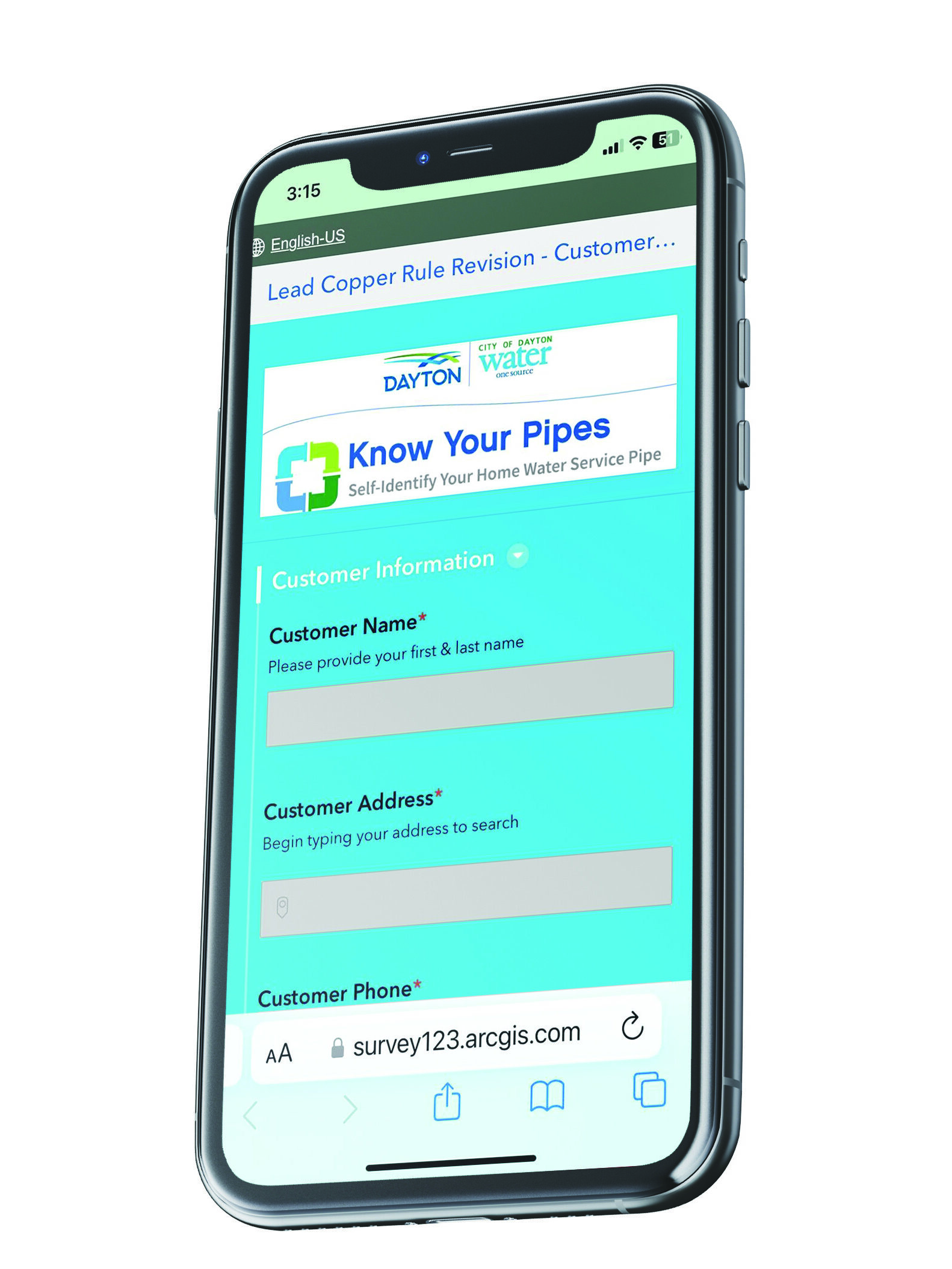
In the Know Your Pipes campaign, residents are asked to use the resources provided to identify what the pipes in their house are made of and report back, keeping the database updated with what the pipes in the city are made of.
“It becomes a partnership with the community,” Thomas says. “We’re asking the community, ‘Hey, do you know your lead service line, what it’s made out of? We need you to let us know.’” If a resident does find out that their pipes are made of lead, the county connects them with a plumber who is able to help replace the pipes, making them safe. In order to make this process more affordable, the city works to give some of its profits back to its customers.
It is this combination of these outreach programs that Thomas hopes will lead to increased trust and appreciation Dayton Water. “We want [Dayton residents to say ] our water is good. It’s safe,” Thomas says. “You hear about a lot of these issues in other parts of the country but the Dayton water system is wonderful. It’s a great thing and it’s constantly getting better. I think sometimes we take it for granted, but it’s a wonderful thing that we do have.”
