


Dayton’s smaller theater organizations pivot to new solutions during pandemic
The impacts of COVID-19 affected organizations of all sizes. Sporting events were postponed or canceled. Festivals never enlivened sunny summer afternoons. Many seats in bars and restaurants remained empty and performing arts organizations had to contend with suddenly having no audiences.
These effects were most noticeable for movie theaters and large venues, but smaller organizations, whether burgeoning equity troupes or community theater, are even more vulnerable to the aftermath of the virus.
Smaller arts organizations were already operating on shoestring budgets, relying on volunteers and generous patrons to support their creative endeavors. But without the benefit of any kind of public engagement, local groups struggled to survive.
The Dayton Playhouse, a community theater company that had been performing at the former Riverbend Arts Center near Wegerzyn Gardens MetroPark, was well-known for producing musicals, and musicals with large casts are tough if not impossible to execute in a socially distanced setting. “We have to make decisions based on the allowed percent of seats we can sell, and the safety and comfort level of our artistic volunteers,” says Dayton Playhouse Board President Matt Lindsay. “We know how much our volunteers love to be involved in a show, so it was heartbreaking to have to [cancel our season].”
As much of a struggle it was for seasoned groups like the Playhouse (which have been operating for a few decades at this point), it was an even greater hurdle for emerging groups that are still establishing themselves in the community.
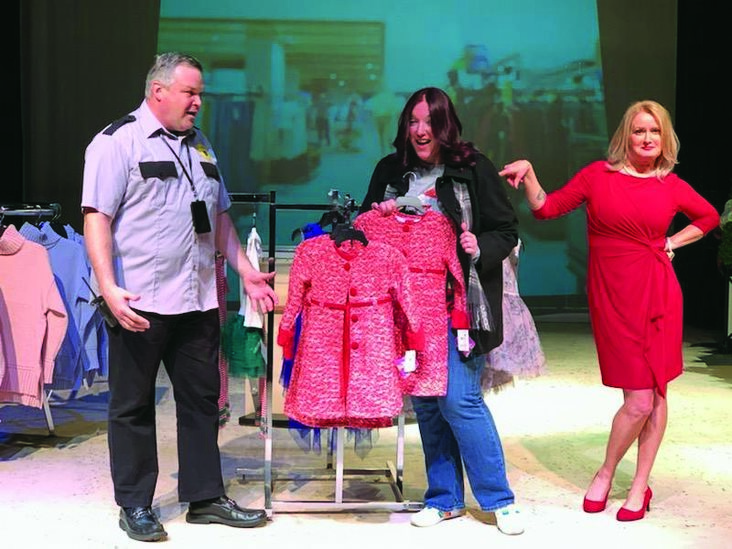
The Nerve, formerly The Playground, produced its first show in 2014. The organization focused on targeting younger audiences by staging more contemporary pieces. “We’re trying to engage young people to come to the theater, and how can we maintain relevance and keep theater cool?” says co-founder and Artistic Director Jenna Valyn. “We want people to feel [theater] is approachable for them.”
One immediate issue The Nerve had was shuttered venues left them functionally homeless. They had a few collaborations with the University of Dayton and were working with Sinclair College (both Valyn and co-founder and Artistic Director Christopher Hahn are alums) to use their black box theater during the summer when the novel coronavirus wiped those plans.
The Nerve’s immediate pivot was to create an online platform where artists of all media could show off their work and connect with the public. The Nerve partnered with local arts funding and advocacy organization Culture Works to debut Dayton Artist Stream on Facebook. But the internet is a pretty crowded field for newbies.
“We had to compete with content everywhere,” Valyn says. “Theater is great as a live experience, [people] weren’t as interested in seeing it on computers.” Eventually, the Facebook page was left for more finely produced and carefully curated content.
Dayton Playhouse also scored some early wins with digital productions. The organization was able to leverage its connections with FutureFest—an annual festival of new, unproduced works that garners submissions from around the country—and stream staged versions of some of the winners from the previous year. “We reached out to Human Race [Theatre Company], and they generously shared their experience in rehearsing, recording and editing a play on the Zoom platform,” Lindsay says. “Late July and early August, we streamed those plays and honored the spirit of FutureFest—even with not having a true festival.”
The Playhouse also produced a Christmas season show—the first in over 10 years—which was co-authored by a former FutureFest finalist. The Playhouse was able to produce and stream six productions.
The Nerve also dove into collaborations with its peer performing groups. Partnering with Dare 2 Defy, another equity company, the two theater organizations staged a virtual variety show as a big fundraiser for both groups. Each segment ranged from two to 10 minutes and featured cast members from both organizations working together. Dare 2 Have Nerve virtual fundraiser clips can still be viewed at Dare2HaveNerve.org.
Not all the effects of the pandemic have been negative. In addition to forging new collaborations, using digital content has been an effective tool in reaching different audiences and the ability to span distances in engagement. “We added Zoom to our bag of tricks, and I think we may find we continue to have some board meetings on Zoom, saving our members drive time and expense,” Lindsay explains. “We also did a series of ‘Playwright Dialogues’ with the six FutureFest finalists in 2020. That was a very engaging way to introduce the writers and their scripts in advance of the streamed productions. I think we’d like to continue that effort, to whet the appetites of our [FutureFest] audiences.”
Likewise, The Nerve discovered its own virtual niche through the success of its fundraiser. “We made our content bite-sized and more ‘digestible,’” Hahn says. “The shows we do have support for this type of programming. We talked about Tik Tok and Reels and how to create this other type of content. Those interactions we’re hoping to cultivate and continue.”
The future remains uncertain for stages large and small, but local theater companies seem optimistic about their ability to persist. Lindsay feels confident that even with seats restricted and ticket sales hampering the ability to perform live, in-person theater, the adjustments the group has made to enable virtual programming will help them survive. “If we can make that work, we can sell the limited number of seats and still present [FutureFest] finalist scripts to members of our audience that couldn’t get a ticket, or who aren’t yet ready to sit in a theater with that many people,” he says.
Valyn and Hahn wanted to underscore the necessity of supporting artists, not just with “likes” and gestures, but with financial contributions to these cash-strapped organizations. “Our theater company and others like ours, people who don’t have big payrolls or the history or relationships, have had a tougher time because they don’t have access to resources,” Hahn says. “We can do a lot with a little, but we still need money to keep doing what we’re doing. If we disappear, this community is left with fewer choices. The more of us who are out there making art, the better off we’ll be as a community.”
