

Excerpt from Greater Dayton Relocation & Newcomer Guide
Dayton and the Miami Valley are packed with history. While the area’s museums and cultural institute offer a window into these important events, world-renown inventors and influential artists, here’s a quick primer to some of the region’s highlights. For those interested in learning more, further information on the region’s history can be found on the historical sites included on this page.
– First inhabited by Miami and Shawnee people, Dayton was founded in April 1796 by settlers known as the Thompson Party, who traveled from Cincinnati up the Great Miami River.
– In 1859, future president Abraham Lincoln made a speech at the Montgomery County Courthouse against the expansion of slavery.
– Paul Laurence Dunbar, whose parents were previously enslaved, was born in Dayton in 1872. A writer of poems, short stories and novels, he became one of the first African American writers to become internationally famous before his death in 1906 in Dayton.
– John Henry Patterson founded the National Cash Register Company in 1884. In 1906, the company debuted the first electric cash register.
– Orville and Wilbur Wright developed and built the world’s first successful motor-operated airplane in Dayton in the early 20th century.
– The Barn Gang—which included Charles F. Kettering, Henry M. Leland and Edward A. Deeds—invented the automobile electric starter and founded the Dayton Engineering Laboratories Company (DELCO).
– The Great Flood of 1913, considered to be “Ohio’s Greatest Weather Event,” devastated the region, but led to the creation of the Miami Conservancy District, the first flood control and regional authority district in the country. Its five dams have stored floodwater more than 2,100 times since 1922.
– The Dayton Peace Accords, which brought an end to the Bosnian War, were reached in November 1995 at Wright-Patterson Air Force Base.
Historical Sites
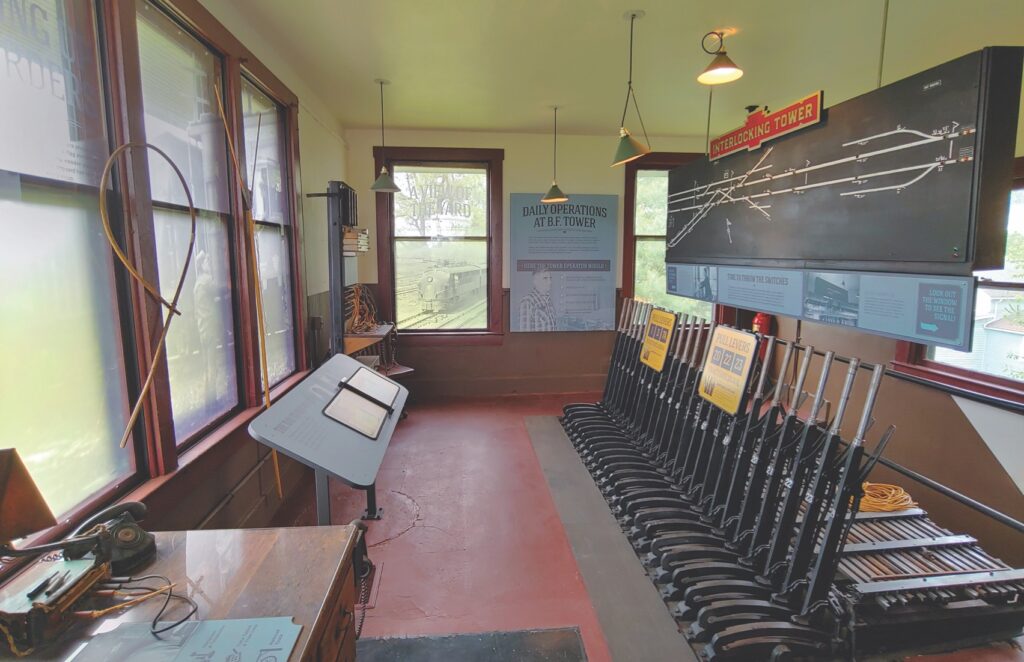
Carillon Historical Park: A museum complex that houses local artifacts, like the original 1905 Wright Flyer III, and a collection of historic buildings. 1000 Carillon Blvd., Dayton. daytonhistory.org
Dayton Aviation Heritage National Historic Park: Home to several important Dayton sites, including the home of Paul Laurence Dunbar, Huffman Prairie Flying Field and the Wright Cycle Shop. 16 S. Williams St., Dayton. nps.gov/daav
Hawthorn Hill: Home owned by Orville Wright and his family. Tours start at Carillon Historical Park. daytonhistory.org
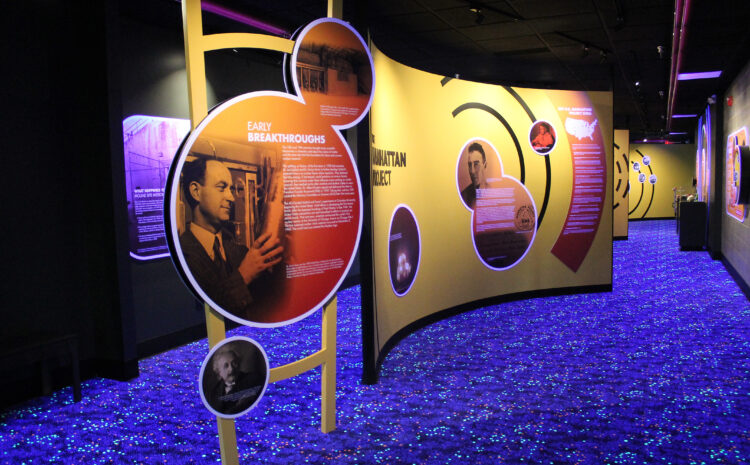
Mound Cold War Discovery Center: Mound Laboratory was the country’s first Atomic Energy Commission site and was where the work of The Dayton Project, part of the Manhattan Project, continued. 1075 Mound Road, Miamisburg. daytonhistory.org
Old Court House: Completed in 1850, the courthouse was a campaign stop for multiple presidents, including Abraham Lincoln, Andrew Johnson, James Garfield, John F. Kennedy, Lyndon B. Johnson, Richard Nixon, Gerald Ford, Ronald Reagan and Bill Clinton. 7 N. Main St., Dayton. daytonhistory.org
SunWatch Indian Village/Archaeological Park: Reconstructed Native American structures and an interpretive center that explore the ancient history of the area. 2301 W. River Road, Dayton. boonshoft.org
