

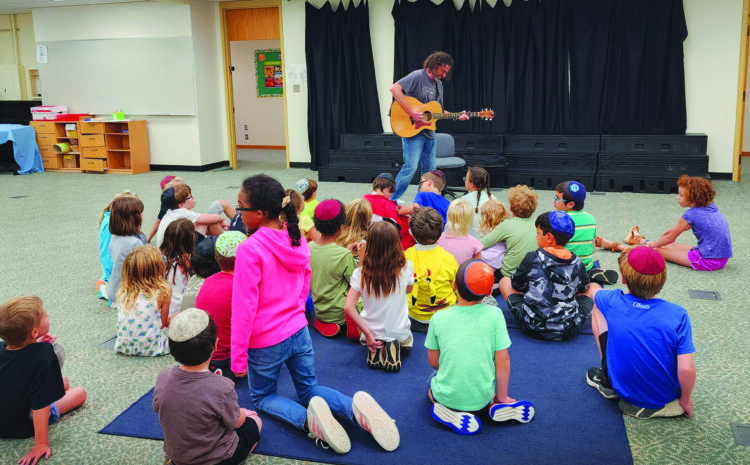
The Hillel Academy of Greater Dayton incorporates arts programming at every level
For more than 60 years, the Hillel Academy of Greater Dayton has been the top Jewish day school for families in the Miami Valley region.
Interim Principal Anna Smith says the school takes a holistic approach to primary education—integrating Judaic and secular lessons into a balanced, blended curriculum.
“We are highly focused on academic strength and integrity, informed by Jewish values,” Smith says. “It’s not a school where all you’re learning about is religion, and it’s not a school where all you’re learning is reading, writing and math. We blend the two together.”
Art programming is key to Hillel’s mission, with art projects and creative programming being incorporated into both secular and religious lessons.
“Not everybody can express themselves in words,” Smith says. “Giving them different ways to express themselves and make sense of the world around them really just makes it so beautiful.”
Lessons from other classes are brought into the art classroom. Last year, for instance, students created visual portrayals of positive leadership as part of a lesson about Moses and leadership skills.
With the help of art teacher Hannah Levinson, students create work that Smith says is “inspired, not prescribed.”
“They’ll look at other pieces of art or do an artist study and the goal isn’t to replicate what that artist has done—it’s to take some piece of it and create artwork that’s inspired,” Smith says.
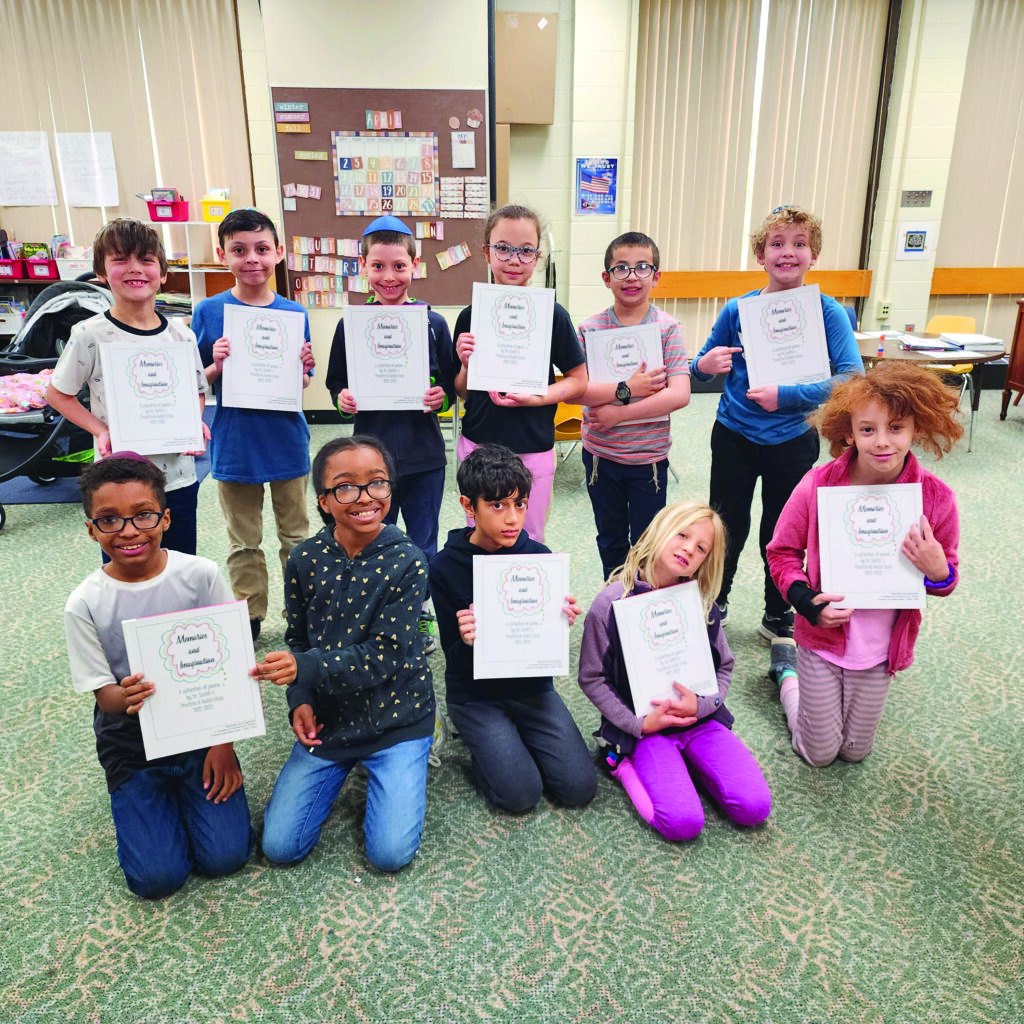
Hillel’s arts programming isn’t limited to the art classroom—activities across all subjects are designed to encourage students to think and work creatively. Later this year, the school will open a Maker Lab where students will have free access to a 3D printer, a Cricut cutting machine and other creative tools.
Hillel students also perform a yearly play, with all students required to participate. (Smith says she’s talked to alumni who believe this experience helped them build confidence and public speaking skills.) This year, student participation will go a step further—the play will be entirely student written. Each class will select a person or topic related to Israel and collaborate to write a scene, build a set and perform.
“Everyone from kindergarten all the way up will be in it and will have a significant piece to contribute,” Smith says. “When it’s theirs and they’re invested in it, it’s so much more meaningful.”
Arts programming helps students find their individuality, but it also helps them come together. In each class, students work in small teams that rotate throughout the year. Each team’s first task is to brainstorm a team name that spotlights something its members have in common—like the Magic Unicorns, a group of students who discovered they all enjoyed magic tricks and had unicorn-themed items of clothing—and create a poster illustrating their team connection.
“We believe that arts are a way to express yourself and understand the world around you,” Smith says. “Anything you do can be viewed as an art.”
