

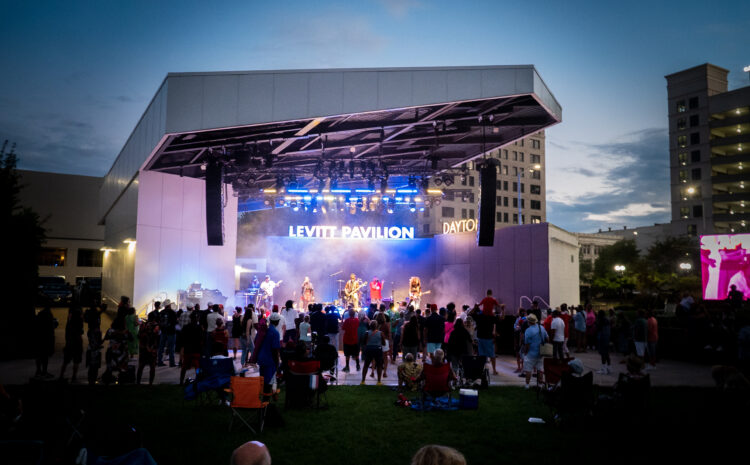
Levitt Pavilion creates culture and community through free, live performances
A child flails her limbs in uninhibited dance next to an old man tapping his toes to the tunes pouring from the stage. A couple shares snacks with a family they just met. The crowd is a sea of multicultural richness stitched together with threads of music. These are quintessential scenes at Levitt Pavilion Dayton, the free concert venue in the heart of downtown Dayton.
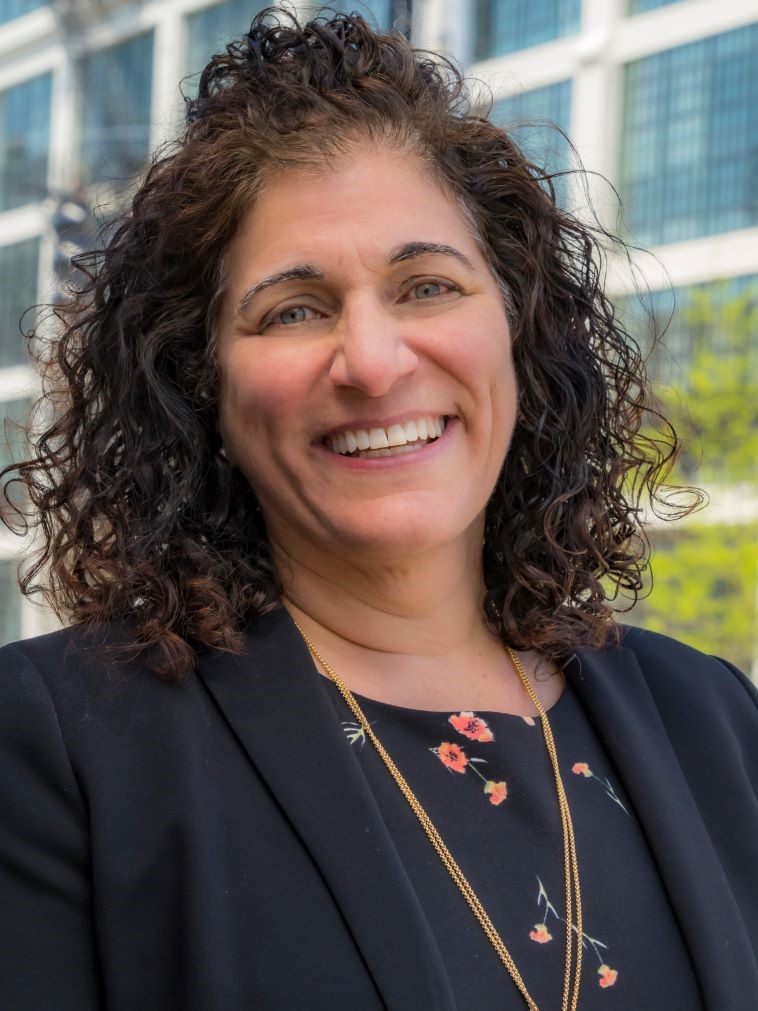
What makes this particular city block so magical? “There is something really special about Levitt Dayton. It is really hard to explain; you must experience it,” says Lisa Wagner, the pavilion’s executive director. “There is so much love in this community and it is palpable on the Levitt lawn.”
The story of the venue goes back to 1966 when a first-generation clothier from Brooklyn and his Viennese wife established the Mortimer & Mimi Levitt Foundation to support arts, culture and creative placemaking. Living frugally as the son of immigrant parents and unable to afford live music as a boy, he worked to ensure people of all socioeconomic standings could enjoy live music. This is reflected in audiences blanketed across the Levitt Pavilion Dayton lawn.
“Dayton is rich in diversity, and the Levitt Pavilion reflects that. When people gather on the lawn, they share a unique moment—connecting through a mutual love for music and a shared experience,” says Tom Bramer, who serves on Levitt Pavilion Dayton’s board of trustees. “Music is more than entertainment; it shapes emotions, deepens social connections and even enhances cognitive function. It’s a universal language that transcends words and cultural differences.”
Levitt began his philanthropic endeavors in the Northeast. The couple’s contribution to a Westport, Connecticut, outdoor concert venue became the first-ever Levitt Pavilion in 1974. The venue’s continued success through the 1990s inspired the couple to expand their endeavors, opening additional pavilion sites and funding concert series. Today, there are seven Levitt outdoor concert venues and more are in development. Each site offers an accessible location hosting 40 to 50 free concerts annually. The performer lineup features a mix of emerging talent and award-winning artists. Guests can expect a broad variety of genres and family-friendly music that reflects the culture of the community.
The launch of Dayton’s Levitt Pavilion came at the behest of a grassroots effort to bring Levitt’s investments to the Gem City. The Levitt Foundation toured different sites, ultimately identifying an underutilized city park for the future pavilion site.
“During the vetting process, the Levitt Family Foundation found Dayton’s strong philanthropic support for arts and culture to be an asset, as well as the location of the [Interstates 70 and 75] corridors for favorable routing of bands,” Wagner says.
But the music champions still had a long way to go before opening night. The founding members of the nonprofit group that would eventually become Friends of the Levitt Pavilion first had to raise $5 million to pull down additional funds from the Levitt Foundation. The organization met its fundraising goal in less than two years—the fastest any Levitt site met capital requirements—and Levitt Pavilion Dayton hosted its first concert in August 2018.
Since then, Levitt Pavilion Dayton has welcomed about 344,000 guests during a total of 269 concerts featuring 1,448 musicians. Wagner attributes this success to the connection people feel with live performances. “Music is the language that we use when we often cannot find the words,” she says. “Sharing in the vibration of music has been a tradition for centuries, and those shared experiences are what bring us together and help make us realize that we are more alike than we are different.”
It’s not just personal impact for those attending concerts. Levitt Pavilion Dayton positively influences the local economy, as well.
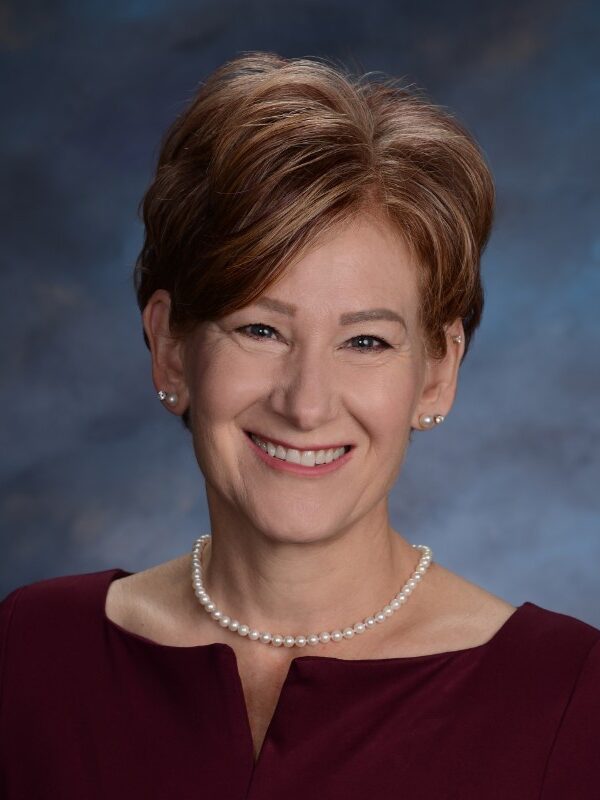
“Levitt Pavilion’s free, high-quality performances enrich our downtown, boost local businesses and celebrate the diversity and creativity that define Dayton,” says Dayton City Manager Shelley Dickstein. “Each season, it draws tens of thousands of visitors, generating foot traffic, supporting jobs and adding to the vibrancy that helps us attract and retain residents, employers and investment.”
A University of Dayton public administration graduate student published a study recently that demonstrated a $7 million economic impact on businesses within a mile radius of the venue. Since opening, neighboring structures have seen rehabilitation despite years of disinvestment. Most notably, the historic Dayton Arcade is now active, touting more than $225 million in development. Moreover, the Dayton Convention Center, bookending the pavilion on the south side, recently completed a $45 million renovation and the former Crowne Plaza has a new life as the Dayton Vitality Hotel. “It’s a true catalyst for revitalization and a key asset in strengthening our city’s economy,” Dickstein says.
Bramer credits Levitt Pavilion Dayton with crystalizing many of these changes. “Over the past decade, downtown Dayton has undergone a remarkable transformation, navigating economic shifts, social challenges and even a global pandemic,” he says. “Through it all, Levitt Dayton has remained a cornerstone of revitalization, bringing people together and reinforcing the city’s vibrancy.”
Today, Levitt Pavilion Dayton faces different challenges than when it was first established. “While the concerts are free to the public, the expenses of producing a high-quality music series increase every year,” Wagner says. One way visitors can make an impact is by dropping a few bucks into the blue donation buckets circulating during the shows. Other ways of supporting the venue include renting lawn chairs for a $5 donation and buying concessions. “The need for community support fuels this mission,” Wagner says.
Bramer reminds first-time visitors to take advantage of the communal aspect of Levitt Pavilion Dayton. “Levitt Dayton is more than a venue—it’s a catalyst for community, creativity and connection,” he says. “These concerts belong to the city and its people, helping shape our collective experience. I’m grateful to be part of an organization that celebrates music, culture and togetherness.”
