

Historic Wright-Dunbar neighborhood is experiencing a renaissance
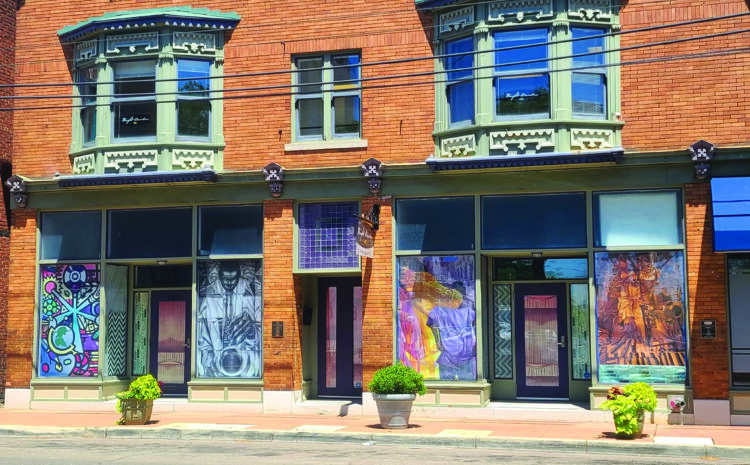
Home to poets and pilots, the neighborhood of Wright-Dunbar, located near the banks of the Great Miami River in west Dayton, has mounted a comeback for businesses and residents alike. For those unfamiliar with this historic neighborhood, it’s time to shake hands with Dayton’s Black Wall Street.
Humble Beginnings
Small farms began popping up in the area known today as Wright-Dunbar shortly after settlers established homes and businesses along the river in downtown Dayton. The first lots were recorded in 1845, and the area was called “Mexico.” Working-class families from Hungary, Romania and other parts of Eastern Europe could afford the modest lots on their factory wages.
It was in this neighborhood, at 7 Hawthorn St., where Milton Wright brought his family from Indiana to help launch the United Church of the Brethren’s first professional training school. Susan Wright, Milton’s wife, gave birth in this home to Orville, who would join his older brother, Wilbur, in making Dayton the global hotspot for innovation during the height of the Industrial Revolution. But first, the brothers began their entrepreneurial journey in their neighborhood at 22 S. Williams St., where they operated the Wright Cycle Co.
Around the corner, another revolutionary would call the area home. Paul Laurence Dunbar, born in Dayton to freed slaves, began his writing career when he was 16. Dunbar’s popularity spread and he became an internationally renowned writer. He was even the lyricist for In Dahomey, the first Broadway musical featuring all African-American performers.
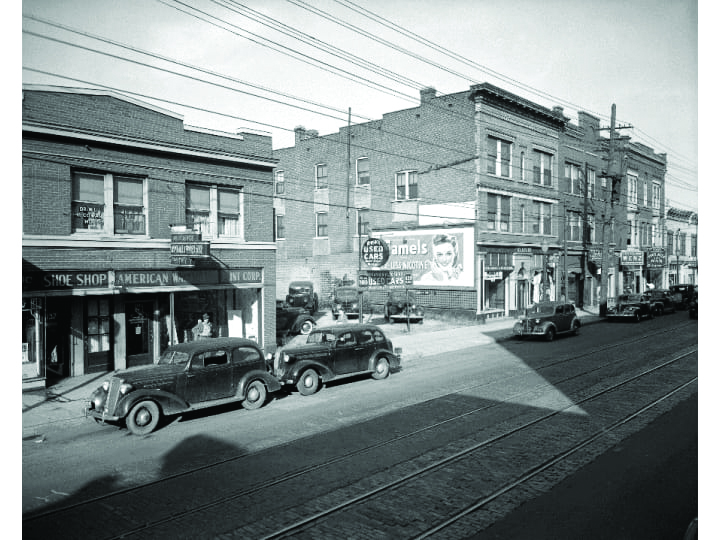
The population changed around World War I. More African Americans were migrating north in pursuit of industrial jobs and located in Dayton. Segregated housing policies pushed these families out of wealthier, white communities and into west Dayton neighborhoods. Redlining and similar systemic discrimination kept Black families in this area, but from the 1920s through the 1960s, west Dayton and the Wright-Dunbar neighborhood was a thriving residential and commercial district.
This economic vibrancy was disrupted in the 1950s and ’60s. Homes and businesses disappeared due to interstate construction, urban renewal and civil unrest. Disinvestment plagued the once-flourishing community until the city of Dayton and Citywide Development committed to rebuilding the neighborhood.
Buffing the Scratches
In the late 1990s, new investments came to the area. The $24 million refurbishment included five historic renovations, 20 owner-occupied homes, eight new homes (that maintained historical character), eight rehabilitations and extensive work on roads, sewer, water and other public infrastructure.
The Dayton Aviation Heritage National Historical Park (part of the National Aviation Heritage Area) opened soon after in 2004. Visitors can discover all the ways the region contributed to human-powered flight, including a Wright Flyer simulator.
Soon afterwards, the nonprofit organization Wright Dunbar Inc. (WDI) took over commercial leasing and was a key piece in the revitalization project. Erica Hubler is the director of real estate for WDI. Her first project involved renovating the storefronts and apartments at 1117-1121 W. Third St. in 2016. “Historic preservation and restoration is expensive and you don’t always know what you’re going to find before you start construction,” Hubler says. “Our biggest challenges included change-orders and trying to maintain the budget.”
Since then, Hubler says the mixed-use building is fully leased—including the 18 apartments. “This project completed the restoration of the Wright Dunbar Complex,” she says. “Adding residents to the district helped attract more amenities like restaurants and specialty retail. So this project added beauty to the district by preserving the storefronts and added residents to the district to attract amenities.”
Building Up the Block
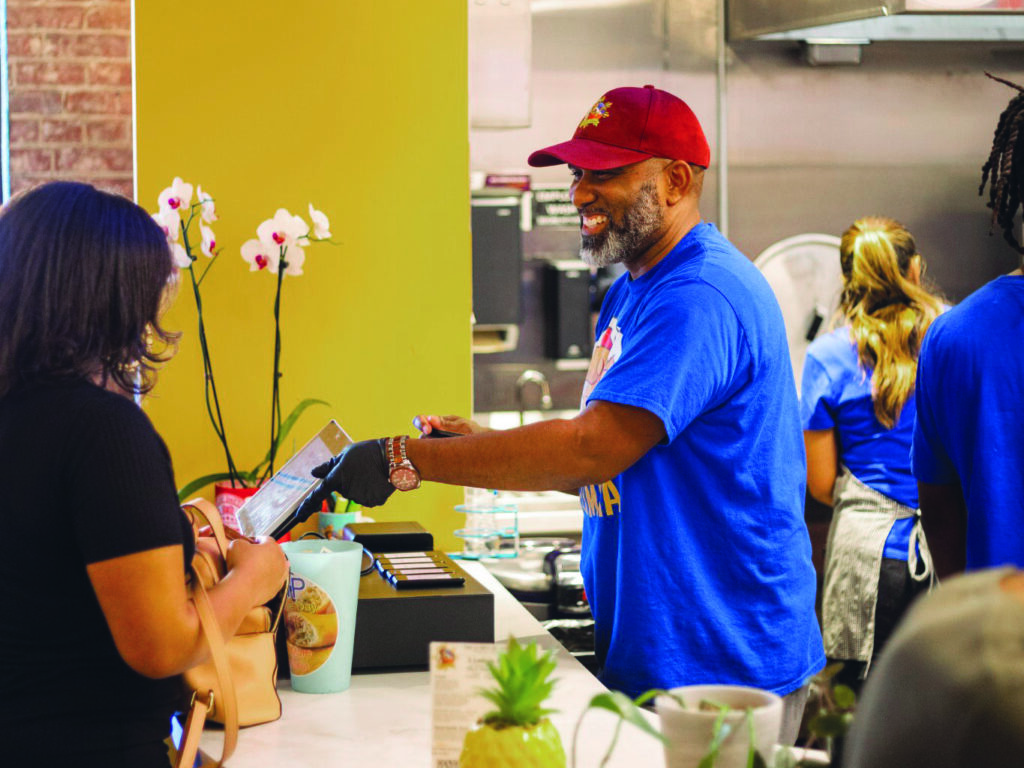
Recent development projects in the neighborhood have attracted much attention, garnering new commercial leases and creating even more vibrancy in Wright-Dunbar. The most recent project is the West Social Tap & Table, a $2.1 million project that converted a convention and meeting facility into a food hall. The venture among partners Dillin Financial, Clous Road Partners and Wright Dunbar Inc. created small kitchen spaces for six independent, local restaurateurs. Currently, tenants De’Lish, The Lumpia Queen, SOCA, ILLYS Fire Pizza and Taco Street Co. offer lunch and dinner fare, and Miller’s Grind & Brew opens early for breakfast light fare and specialty coffee drinks.
West Social’s tenants are all minority-owned businesses, reflecting the diverse community in which it’s located, and creating dynamic economic opportunities for business owners who need a bridge between their food trucks and a dedicated bricks-and-mortar location.
More residential units are on the way. Simms Development, notable for its popular products in downtown Dayton and Springfield, is building 26 new townhomes on an infill site at 1005 W. Third St. Robi Simms, vice president of Simms Development, says the project will play an important role in activating the streets.
“As people enjoy walking or driving on West Third Street, there will be noticeable activity on a city street that was once vacant. Soon, it will have 13 front doors within a city block,” he says.
Simms says the city of Dayton and Wright-Dunbar neighborhood have been amenable to the new work, and his company is excited to be part of the renaissance. “The architecture along West Third is breathtaking, and we want to add to that aesthetic,” he says. “The residential portion of the community has maintained its integrity, and we want to be part of the Wright Dunbar story along the commercial corridor.”
The Townes at Wright-Dunbar will be three-story, roughly 1,400-square-foot condos, slated to be available this summer, starting around $200,000.
But Wait, There’s More
Hubler says there’s still more to come. Black Palette Art Gallery, owned and operated by Dayton artist James Pate, is set to open in April, located at 1139 W. Third St. Also coming in late spring or early summer is Morgan’s Fine Cuisine at 1101 W. Third St. “I am very excited about both of these new businesses that are sure to be destinations!” she says.
These businesses join other stalwart entrepreneurs on the block, including EbonNia Gallery, where renowned artist Willis “Bing” Davis maintains the neighborhood’s storied cultural contributions. Serial entrepreneur Tae Winston also has her retail concept in this block, The Entrepreneurs Shoppe, where more than 30 Black-owned brands and products (many of them also woman-owned businesses) are represented. Flawless Barber Shop and Urban Chic Salon round out the hair care and grooming services businesses, and there are also commercial tenants from larger entities, like Chase Bank, Wright-Patt Credit Union, PriMed Physicians and Ziks Family Pharmacy.
With the single-family homes occupied, new residential opportunities on the way, and the commercial blocks filling fast, it’s a great time to discover (or rediscover) this vibrant community.
“Wright Dunbar Historic Commercial District is defined by its tenants, businesses and residents. There wouldn’t be a neighborhood without each of them,” Hubler says. “The synergy and authenticity is definitely something you can feel. I’m looking forward to all the new and upcoming projects coming to fruition.”
