

Amateur Dayton performing arts organization celebrates repertoire of Bach and other classical choral works
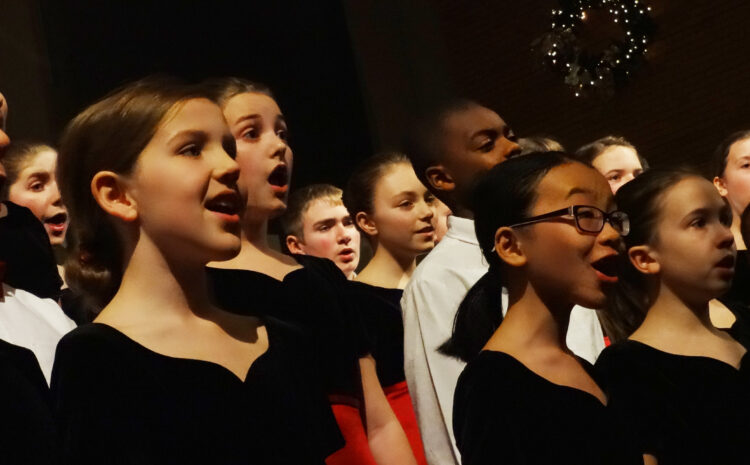
When it comes to the breadth of performing arts organizations, Dayton holds its own, even among much larger metro areas. One unique group seeks to elevate the role of choral performances in the Dayton region, exposing audiences from all socioeconomic backgrounds and walks of life to the wonders of spiritual and secular vocal music.
The Bach Society of Dayton originally assembled in 1974 as the Dayton Bach Society under the direction of Richard Benedum. Performances focused on German composer Johann Sebastian Bach. The group even used period instruments. But when Benedum retired in 2002, low funds in the coffers threatened to shutter the group. Fortunately, a persistent group of Dayton Bach Society members recruited a new music director to continue the program.
“We were able to produce a three-concert season in 2002-2003 and re-organize formally as The Bach Society of Dayton,” says R. Alan Kimbrough, one of the sustaining notes in the ensemble. Kimbrough has served as the group’s accompanist since its inception and welcomed the new music director for their first season as The Bach Society of Dayton (BSD). “[Music Director] John Nealy led the group for 20 years, quickly reestablishing its important place in the Dayton-area musical culture,” Kimbrough says.
If it ain’t Baroque…
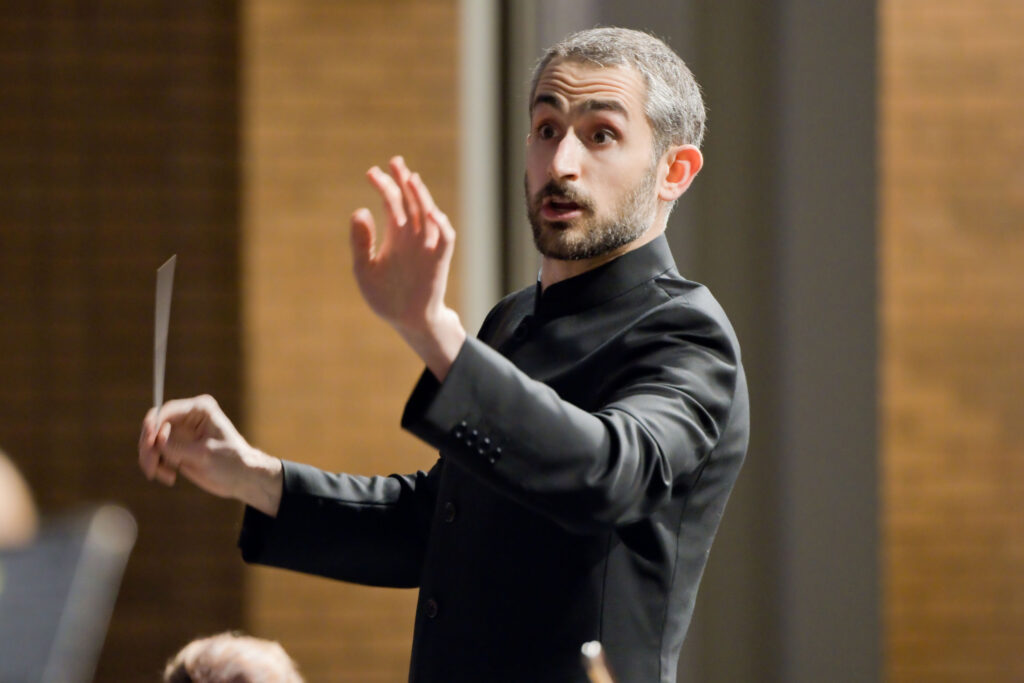
BSD is ushering in a new era of performances and engaging with new generations of singers. At the helm is David Crean, who took over after Nealy’s retirement in 2022. From 2013 to 2017, Crean was the organist and director of chapel music at Wittenberg University. He also taught organ, harpsichord and music theory at Wright State University. Crean acquired the title of midday host and music director for Discover Classical WDPR-FM, and organist and choirmaster at St. George’s Episcopal Church in Dayton in 2017.
“It’s an incredible feeling to be part of a performance that really hits home and connects with the audience,” Crean says. “It makes all the hard work and weeks of rehearsals worthwhile.”
What differentiates BSD from other choral groups are the pieces selected and the setting in which the performances take place.
BSD Board President Steve Makovec says Bach Society audiences are treated to works not often performed in the region, including “St. Matthew Passion” and “St. John Passion” pieces by Bach, Mozart’s Great Mass in C minor, and many more.
“Our Young Composers Competition also distinguishes us as we encourage young choral composers, and the Bach Society now is regularly commissioning new choral works by established composers,” Makovec says. “Add the Bach Society’s many collaborations, and it’s an impressive series of entities that include Human Race Theatre Company, Dayton Contemporary Dance Company, Stivers High School vocal ensemble, University of Dayton and Central State University choruses, and the Kettering Children’s Choir.”
BSD is one of only a few vocal ensembles that incorporates orchestral accompaniments in its performances, but its flexibility in accompaniment allows the group to select a broader range of musical selections.
“The Bach Society keeps its emphasis on choral music from a long and varied history, primarily but not exclusively sacred,” Kimbrough explains. “Its performances include orchestral accompaniment, keyboard accompaniment and a cappella (unaccompanied) selections—and we have a history of performing in the Kettering Adventist Church.”
Fugue and Far Between
Another way in which BSD sparkles among the region’s wealth of performing arts groups is that it holds open auditions to add new voices to the ensemble. While formal musical training is not a requirement, the ability to read music does give auditioners a competitive advantage.
Dr. William Spohn has been a pediatrician for nearly 50 years, but he said the experience he gained in choruses throughout his school and college years helped him land a spot on the risers. “The Bach Society performs a body of choral work that is seldom heard in the area,” Spohn says. “The scope and complexity of the material we perform is both challenging and artistically rewarding.”
BSD boasts a deep bench of professional musicians, as well. Courtney Cummings is the music director at Temple Israel, and she says while the organization welcomes fresh talent, everyone works together as a team to produce the high-caliber performances audiences have grown to love and respect.
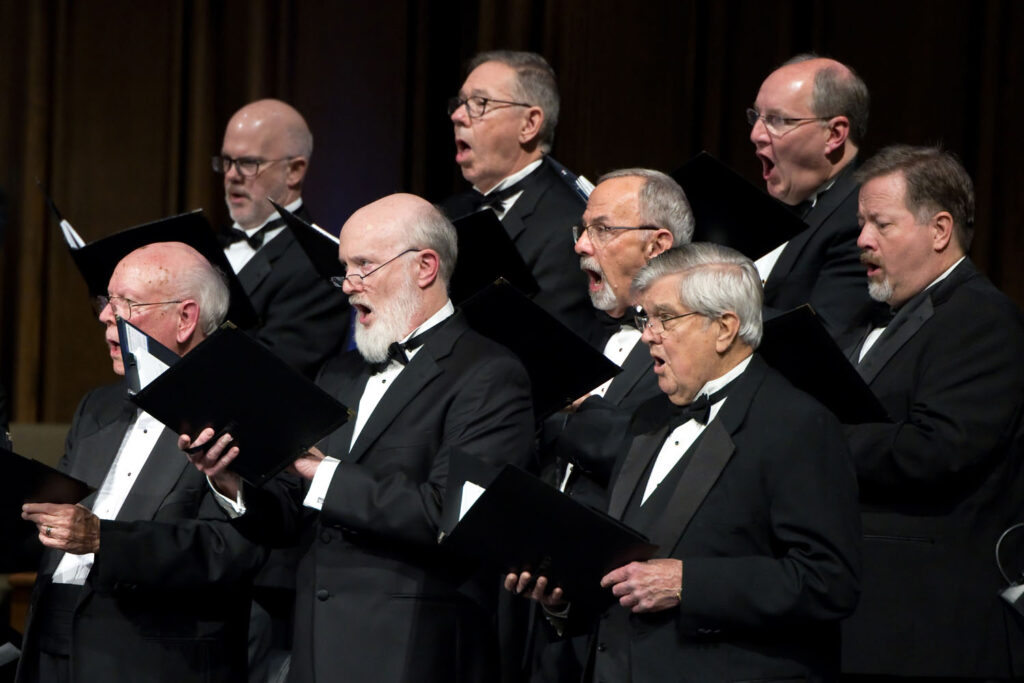
“In order to maintain such a high level of musicianship, it is important for us to be on the same page and share an understanding of what Dr. Crean is asking us to do,” she says. “The group is very warm and welcoming; however, we are all there to put forth our best effort and elevate each other (and our audiences) through these musical moments.”
Another BSD member, Nathan Clark, echoes Cummings’ recommendations: “To succeed as a member of the Bach Society, it’s important for a person to have prior singing experience and enough confidence reading music to be able to practice the music independently,” he says.
“The Bach Society performs a large amount of advanced repertoire with minimal rehearsal time, so it is essential that members prepare on their own,” Crean says. “Many are professional musicians and most read music fluently. When auditioning new members, I place a high priority on sight-reading ability because it decreases the percentage of rehearsal time we have to spend learning notes.”
Kimbrough says all the hard work pays off when dozens of musicians who started their journey as strangers work together to achieve musical greatness as an ensemble. “As an accompanist, I find it particularly gratifying to help present significant choral music to an appreciative audience, including the opportunities to work collaboratively with very talented vocal soloists and the finest orchestral players in our area,” he says.
Bach to the Future
Audiences have one last opportunity to see the Bach Society of Dayton perform in the current 2023-2024 season. The group will perform Mozart’s “Mass in C Minor” May 12 at the Kettering Adventist Church. The guest orchestra will be led by Concertmaster Aurelian Oprea with a concert preview with Neal Gittleman, artistic director and conductor of the Dayton Philharmonic Orchestra.
The 2024-2025 season will be announced later this year, kicking off in the fall with four major performances through May. “The ‘Incarnatus est’ in that Mass is, for me, the most moving setting of that text in the entire choral repertory,” Kimbrough says.
But this performance will have a bit of a twist: “Like his famous ‘Requiem,’ ‘Mass in C Minor’ was left unfinished and is usually performed in that incomplete state,” Crean says. “We are going to be performing a recent completion by Mozart scholar Robert Levin. To my knowledge, it is the first performance of this version in the area.”
The effort put in by people who are not necessarily professional musicians but talented friends and neighbors is a spectacle to behold. They’re holding a desk job during the day and holding a high C at night. But their collective efforts are truly awesome when beheld from the church pews, and a real treat to have such accomplished performances accessible to families here in the Miami Valley.
For season information, concert dates, ticket prices and purchasing links, and other information, visit bachsocietyofdayton.org.
