

Dayton Metro Library using technology to promote reading and bridge the digital divide
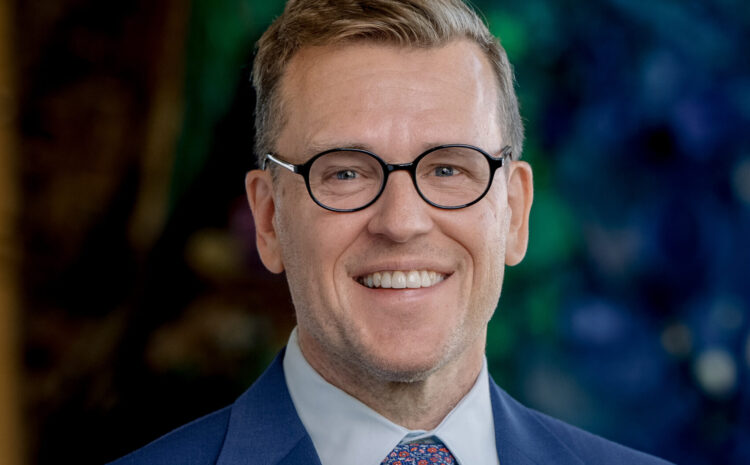
By Jeffrey Trzeciak, Executive Director, Dayton Metro Library
When I began my career in librarianship in 1985, library technology was still in its infancy. The ability to catalog print materials more efficiently and provide patrons with new platforms to access materials and information through books on tape, CDs and VHS movies was about the limits of our imaginings.
Much has changed in almost 40 years. Technology has rapidly shifted the way we interact with information, and technology will continue to shape how individuals, families and communities engage with resources and create connection.
Today’s libraries are challenged to keep up with the ever-changing digital landscape. We must provide technologies that enhance patron experiences; create fair and equitable access to programs, services and materials; and support multiple literacies if we are to continue to improve the quality of life of Montgomery County residents.
The Dayton Metro Library serves over 350,000 active cardholders. Our 17 branches are located in rural, suburban and urban communities throughout Montgomery County. Facility visits accounted for more than 1.8 million visits in 2023. However, our website logged an additional 1.5 million visits, making our online presence DML’s 18th branch! At the same time, Dayton Metro Library reached nearly 7 million materials in circulation, more than 40% of which were digital e-books and e-audio books. This milestone represents an important change for not just the Dayton Metro Library, but libraries across the country; digital materials and e-books now represent a significant and growing part of the library’s collections.
Digital downloads of literature, movies and magazines are just one way patrons can connect with information and resources.
Last year, our loanable laptops were borrowed over 300,000 times. We offer public desktop computers, Wi-Fi access, wireless hotspots for checkout, streaming services and multilingual digital applications. PressReader, a downloadable app offered through the library, allows patrons to read world-language magazines and newspapers. Adaptive and assistive technologies such as screen readers and high contrast keyboards make accessing information better for everyone.
Just as The Dayton Metro Library used modern technology to reduce barriers to literacy in 1923 by developing one of the nation’s first bookmobiles, we remain committed to activating technology and innovation to prioritize basic literacy, free and open accessibility to information and services, and digital equity and inclusion.
A native of Dayton, Jeffrey Trzeciak is the executive director of the Dayton Metro Library. He earned a bachelor’s degree in secondary education from the University of Dayton and a Master of Library Science degree from Indiana University.
Before returning to Dayton in 2020, he held senior positions at Jersey City Free Public Library, Newark Public Library, McMaster University and Washington University in St. Louis.
