


By specializing in cancer and urologic care services, Dayton Physicians Network brings top-notch physicians and state-of-the art treatment to the region
Sometimes only a specialist will do, particularly when it comes to cancer or urologic issues. But Dayton residents can take heart in knowing that they have access to more health care resources than ever before, including the region’s only multi-specialty network that exclusively provides comprehensive cancer care and urologic care services—the Dayton Physicians Network (DPN).
The network is comprised of 50 physicians that work together to treat these types of ailments. We spoke with four winners of this year’s Dayton Best Docs—all four of whom work with DPN—to learn more about this unique provider that calls the Miami Valley home.
Advanced Radiation Care
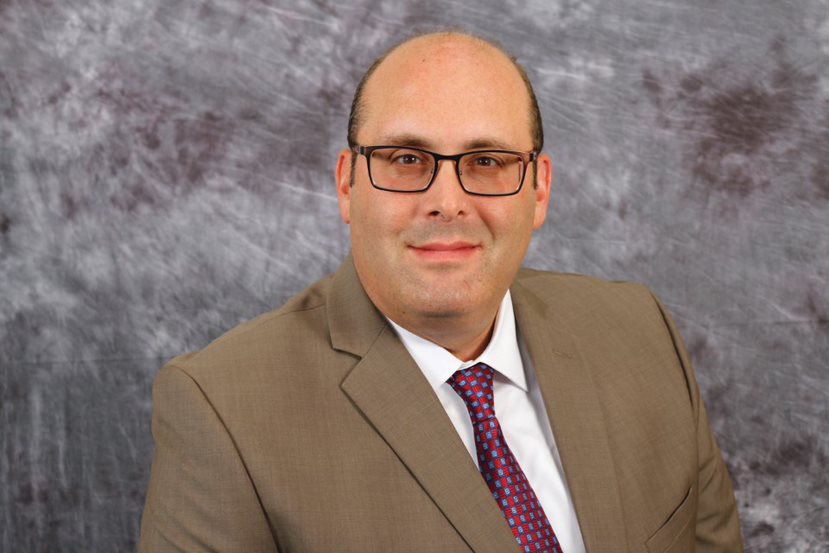
Dr. Douglas Einstein is an attending physician and partner within DPN, a clinical professor of medicine at the Wright State University School of Medicine and this year’s Dayton Best Docs winner in the category of radiation oncology.
“As a radiation oncologist, I am a physician trained to treat all types of cancer in patients of any age with radiotherapy. Radiotherapy involves the delivery of high-energy particles such as photons or electrons that damage the DNA of tumor cells with the intent of killing cancer where the radiation is focused,” he says.
At DPN, this means using techniques like radiosurgery, intensity modulated radiotherapy and brachytherapy to deliver radiotherapy very precisely to tumors. Patients come to see Einstein after they’ve been diagnosed with cancer and recommended for this type of treatment.
“Our initial visit is often long because it is important to me to spend as much time as my patients and their families need to understand the nature of their cancer and how we can best attack it with radiotherapy,” he says.
While radiation is often thought of as a treatment for curing cancer, it can also be used to treat symptoms, helping with issues like bone pain, neurologic deficits and breathing difficulties that can be caused by a tumor.
One way Einstein delivers treatment is the TrueBeam system, which uses noninvasive radiation to treat tumors while minimizing exposure to healthy tissue. And instead of taking 30-60 minutes like many other radiosurgery treatments, it can be done in only five-10 minutes.
“I feel privileged to be able to treat a patient using the same state-of-the-art radiotherapeutic technologies at DPN that are available at major academic institutions elsewhere so that patients do not have to travel outside Dayton to receive this advanced care,” he says.
The Cancer Team’s Quarterback
Dr. Mark Marinella, a hematologist/oncologist with DPN, thinks of the medical oncologist as the quarterback of a patient’s cancer care team.
“[We’re] treating cancer, providing emotional support and coordinating treatment with surgeons, radiation oncologists, dieticians, physical therapists, nurses and social workers,” he says. “So the job description of a medical oncologist is very broad.”
At DPN, this means using chemotherapy, immunotherapy, oral cancer drugs, state-of-the-art radiation techniques and robotic surgery for genitourinary cancer and providing access to supportive care, psychosocial care and survivorship care.
“We also are able to provide genetic testing of patients for inherited cancer syndromes and provide genetic testing on patients’ tumor specimens that can help hone their treatment. We truly provide comprehensive, modern, state-of-the-art care close to home,” says Marinella.
While curing the patient’s cancer is the goal, Marinella says that many patients come in thinking that their treatment will make them very sick. However, that is not the case.
“We have to be adept at managing side effects of cancer drugs—this indeed is a large and important part of our work,” he says.
Marinella’s interest in understanding the biology of cancer and his love of working with patients is what led him to DPN and to being named the best in hematology and oncology in this year’s Dayton Best Docs.
“It gives me even more incentive to work harder, learn more and further enhance my skills to provide care for my patients and for our practice,” he says of the win.
Advanced Tech
Dr. David Key, a urologist who was voted best in urology in the Dayton Best Docs, treats patients with issues such as prostate cancer, kidney stones and other urologic issues. Like DPN’s other departments, Key uses advanced technology to treat patients. One such treatment is the MOSES system, which DPN has access to thanks to its relationship with Premier Health.
“MOSES 2.0 optimizes laser energy transmission, making kidney stone removal exceptionally safe, precise, thorough and fast,” said Key in a press release. “The MOSES 2.0 now allows us to offer a minimally invasive outpatient procedure for larger stones, instead of a surgery that requires an overnight stay in the hospital. All these advantages support DPN’s dedication to offering high-quality care to patients in Southwest Ohio.”
The Cutting Edge
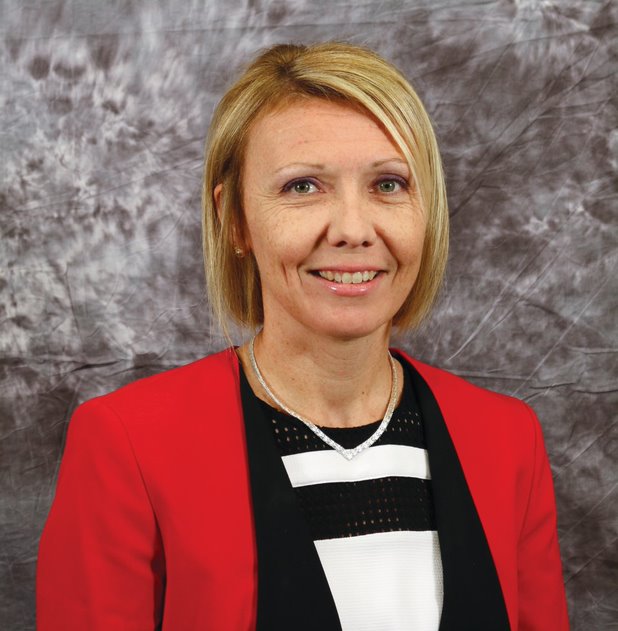
Kelly Lynn Robbins Miller, a medical oncologist and member of the board of managers of DPN, was also voted best in medical oncology this year. But while she does work with patients as an oncologist, she’s also involved with DPN’s clinical trials and research as part of its Clinical Research Center.
“We have a clinical trials division within Dayton Physicians Network and have been able to enroll over 100 patients in 13 different trials. We were first in the nation, quite frankly first in the world, to enroll patients in the BeiGene A317-208 hepatocellular study (a liver cancer treatment for those who can’t have the cancer surgically removed),” say Miller. “We work hard to provide clinical trial opportunities that are not available elsewhere in the Dayton area.”
The Dayton Clinical Oncology Program, led by DPN’s Dr. Howard Gross, is another important part of DPN’s research arm.
“The mission of this program is to reduce cancer incidence and mortality through improved treatment and prevention by offering national state-of-the-art cancer research to the local communities,” says Miller.
While being able to offer new treatments and clinical trials is exciting, Miller says that patients remain at the center of what DPN does.
“Every aspect of cancer care from research, to the physician-patient relationship, to being a part of amazing care teams (social workers, financial counselors, nurses, etc.) makes my life’s work so fulfilling. It is a privilege to care for my patients during a critical time in their lives,” says Miller.
