

The Miami Conservancy District’s century of flood protection
When the Great Flood of 1913 devastated Dayton and surrounding communities, it was clear that bold action was needed to prevent future disasters.
Out of that tragedy, the Miami Conservancy District (MCD) was born—an organization dedicated to keeping Southwest Ohio safe from catastrophic flooding. More than a century later, MCD’s network of five dry dams, levees and protected floodplains remains one of the nation’s most effective and sustainable flood protection systems.
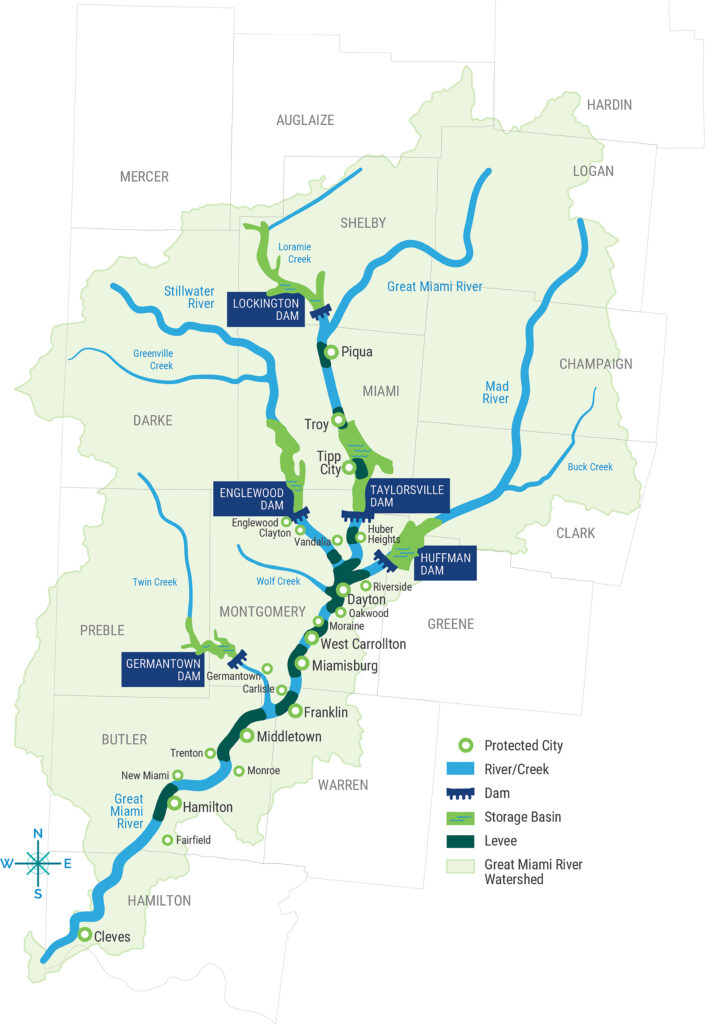
These five dams include Lockington Dam in Shelby County; Taylorsville Dam near Tipp City; Englewood Dam near Englewood and Vandalia; Huffman Dam near Riverside and downtown Dayton; and Germantown Dam in southern Montgomery County.
“Dayton exists as it does today because of the foresight and engineering behind MCD,” says MaryLynn Lodor, general manager at MCD. “We’re here to make sure what happened in 1913 never happens again.”
According to the district’s website, it has been keeping this promise since 1915.
A System That Works—Without Fail
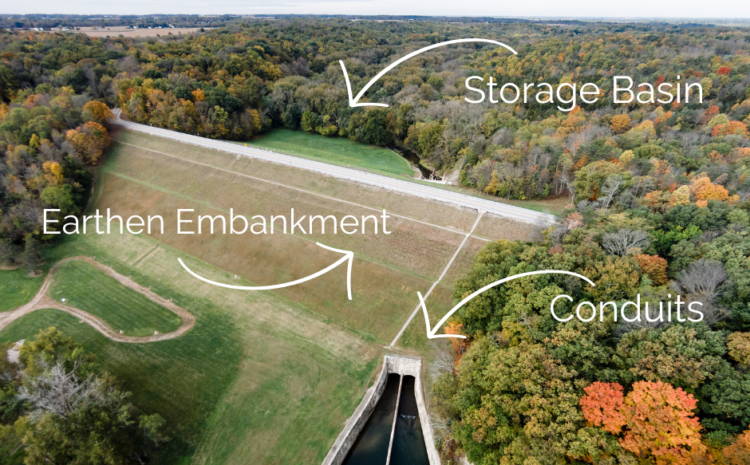
Unlike traditional dams that create reservoirs, MCD’s dry dams hold back water only when necessary, allowing the river to flow freely under normal conditions. The system requires no pumps, electricity or moving parts, making it remarkably low-maintenance and cost-effective while providing reliable, long-term protection.
“Our system was designed to function for generations with minimal intervention,” Lodor explains. “It’s an engineering marvel that has worked exactly as planned for over 100 years.”
Since its completion in the 1920s, MCD’s flood protection system has prevented floods more than 2,000 times and protected thousands of homes and businesses.
The Great Miami Riverway is a program of the Miami Conservancy District and convenes with local communities to support and encourage people to live, work and play safely along the Great Miami River. This would not be possible without the security that MCD provides—and it’s paying off.
In 2023, tourism along the Great Miami Riverway drove $1.2 billion in economic impact. Visitor expenditure grew by 6% over the previous year, reaching $710 million, and supported 10,930 area jobs, according to a press release from MCD.
“These figures highlight the Riverway’s emergency as a premier destination for outdoor recreation and vibrant riverfront experiences,” Ginger Clark, manager of the Great Miami Riverway, said in the release. “The blend of our scenic trails, thriving downtowns and cultural attractions is drawing visitors and delivering lasting economic benefits to our communities.
“By investing in flood protection and water stewardship, MCD has created a safe and resilient environment that supports tourism and drives economic growth,” Clark added.
Why Flood Protection Still Matters
While the system has been successful, the threat of flooding hasn’t disappeared. In fact, climate change and increased rainfall mean flood protection is more critical than ever. According to the NOAA National Centers for Environmental Information State Climate Summaries 2022, Ohio has experienced a significant increase in the number of 2-inch extreme precipitation events since the mid-1990s.
MCD continuously monitors and maintains its dams and levees, adapting to new challenges to ensure the system remains strong for future generations.
“Flooding is one of the most destructive natural disasters,” Lodor says. “Our job is to make sure people don’t have to experience that loss and devastation.”
Investing in the Future
MCD works closely with engineers, international experts and emergency management agencies to keep the system in peak condition. The organization is also studying new engineering techniques and infrastructure improvements to prepare for heavier rainfalls and more extreme weather patterns.
MCD’s core values remain steadfast: Commitment to the Great Miami Watershed, stewardship of public trust, honesty and integrity, teamwork and cooperation, engineering excellence, continuous improvement and communication.
In 2023, MCD released its goals for the next five years (2023-2028), which include flood protection, water stewardship by protecting the safety and availability of water throughout the region, recreation and heritage by developing and maintaining river corridor recreation, and becoming the “best” conservancy district by positioning MCD as a regional, trusted leader in the water sector, attracting and retaining a talented workforce and diversifying funding sources for MCD.
“Flood protection isn’t just about reacting to the past—it’s about preparing for the future,” Lodor says. “We’re always looking ahead to ensure Dayton and the surrounding communities remain safe.”
The Quiet Guardians of Dayton
While MCD’s work often goes unnoticed, its impact is felt every day. The organization’s dedication means that residents and businesses can enjoy life along the Great Miami River without fear of disaster.
“People don’t think about flood protection when everything is working,” Lodor notes. “That’s a good thing. It means we’re doing our job.”
With a legacy built on resilience and forward-thinking engineering, the Miami Conservancy District remains Dayton’s silent guardian against the rising waters—ensuring that history never repeats itself.
