


Expansion of space, technology takes on leading cause of death
Those seeking cardiovascular care in the Miami Valley will find there are advanced treatment options, new facilities and state-of-the-art technologies available locally. Regional health networks such as Premier and Kettering are taking the lead to focus on and expand their cardiovascular services so that Dayton-area residents can receive the newest and best treatments they need close to home.
Premier Health, a one-stop shop
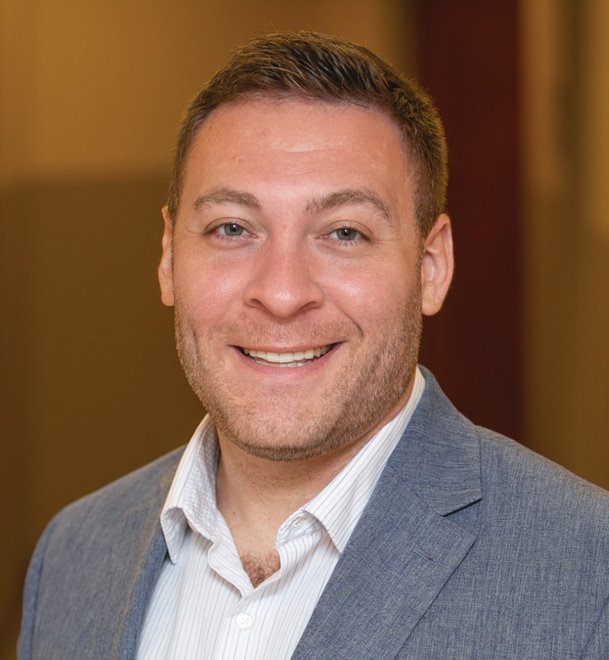
“Premier Health, especially at Miami Valley Hospital, where I’m primarily located, is a one-stop shop,” says Dr. Vincent Nardy, cardiothoracic surgeon with Cardiothoracic Surgery Associates at Premier Health. “We have almost anything anybody would need in terms of cardiovascular care.”
He says the only exceptions to that are surgical ventricular devices and heart transplants.
“We offer very advanced cardiovascular care in all facets of the form. So, there’s not a lot that we aren’t capable of doing here, and very rarely do we have to send anybody out of the Miami Valley area to get that type of care,” he says.
Cardiac programming is available at all five Premier Health locations—Atrium Medical Center, Miami Valley Hospital, Miami Valley Hospital South, Miami Valley Hospital North and Upper Valley Medical Center—with many of the more advanced procedures taking place at Miami Valley Hospital.
“Everything that we do is very much on a patient-by-patient basis, obviously, but what some of these advances have allowed us to do, for example, is take patients that may or may not have been a high surgical risk, or a non-operative risk to some extent, and it allows us to potentially do some sort of a therapy that may offer them a benefit, or prolong their life and help them feel better,” Nardy says.
One example is Premier Health’s TAVR program. Transcatheter aortic valve replacement, or TAVR, is a catheter-based technology that delivers and positions a fully expandable, bioprosthetic replacement aortic valve while the heart is still beating. TAVR eliminates the need for an incision in the chest wall. It also makes the use of a heart-lung bypass machine unnecessary, and it provides a shorter, more comfortable recovery period, compared to a surgical aortic valve replacement.
“Historically, this was used, primarily, for patients, who were non-operative candidates, that were deemed too high-risk, that would likely die from surgery, and it’s progressed to the point now where, to some extent when the patient is appropriate, we can be doing this on an 80-year-old that is otherwise pretty functional, or even if they’re not functional, we can offer them this procedure to help give them a better quality of life for whatever remaining years that they would have,” Nardy says.
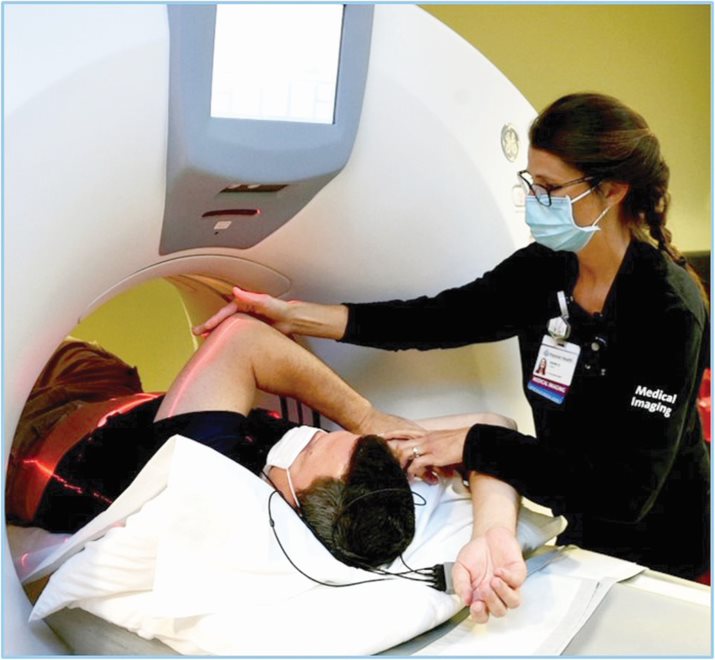
The range of services offered at Premier Health include detection and prevention, advanced non-surgical structural heart procedures, treating severe heart and lung illness, and a comprehensive cardio rehabilitation program.
“On a day-to-day basis, we are given the privilege and the right to literally take this patient’s heart in our hands, and to fix a problem, and help them feel better,” Nardy says.
A few of the most common heart conditions treated at Premier Health include coronary arterial disease and various types of valvular disease. The hospital also sees patients with arrythmias, like atrial fibrillation, among other heart conditions.
According to the American Heart Association, cardiovascular disease (CVD) is the leading global cause of death, and it accounted for about 18.6 million deaths in 2019.
Hybrid OR opens at Kettering Health
Kettering Health recently opened a hybrid operating room at Grandview Medical Center. This is the first hybrid operating room for the medical center and the second for the network. With its opening in November 2021, the medical team can now take heart and vascular care to the next level with this state-of-the art suite.
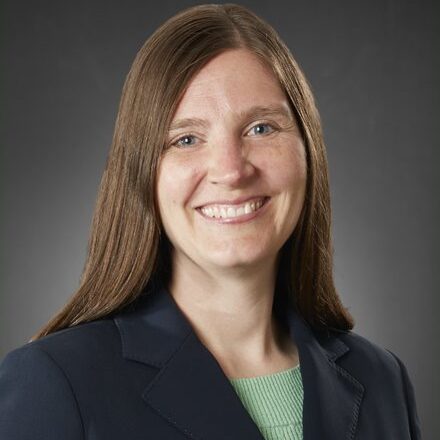
“We are super excited,” says Alina Joseph, executive director for Heart & Vascular at Kettering Health Network. “This is an endeavor that’s been in the works for eight or nine months. Up until this point, we haven’t had a true pre-and-post area. It was very small. It only had five or six beds. We opened with 17 beds, and a hybrid lab, which is not something that Grandview has had in the past. So, it allows us to be able to do some additional procedures.”
The new space operates like a surgical suite with integrated radiology imaging, which provides high-tech imaging with a lower dose of radiation, enabling doctors to see the cardiovascular system. Surgeons have immediate access to those tools and other high-tech advancements without having to move a patient from one area to another.
The 7,300-square-foot expansion includes the hybrid operating room, along with the 17 pre- and post-operative beds. The project cost about $7.2 million.
The cardiac PET (positron emission tomography) scan, one of the latest advances in cardiac imaging, is another innovation offered to patients at Kettering Health. The hospital network has a cyclotron, which allows doctors to offer a cardiac PET program. Many community hospitals don’t have a cyclotron on site.
“The cardiac PET offers an additional layer of imaging,” Joseph says. “Because it shows you the molecular makeup of the heart, it can identify disease in a way that the other scans can’t. And it can also show, physically, the blood flow of what’s happening within the heart in a way that the other scans can’t. We’ve offered it for quite some time, but we are proud of the fact that the program is continuing to grow.”
The Chronic Total Occlusion program is a further example of how Kettering Health is leading the way in heart health care.
“We offer a program called Chronic Total Occlusion and, to my knowledge, we are the only one in the Dayton region that offers that procedure,” Joseph says. “In fact, we’ve had several patients that have come from another facility in the region that doesn’t offer that, and they have basically been told, ‘There’s really nothing we can do.’”
Chronic Total Occlusion or CTO is when a vessel is completely occluded. Physically, when they are going to put in a stent, there has to be some blood flow that’s happening in there, so maybe it’s occluded 70 or 75%, Joseph explains.
“A Chronic Total Occlusion is a 100% blocked, and it’s a very risky procedure, but we have a couple of physicians that are very, very skilled at it, and they have had amazing success in completely taking a blocked artery and putting in a stent. So, we are really excited about that program,” she says.
In the first quarter of 2022, Kettering Health also plans to open a Device and AFib Clinic, which Joseph says will be the first of its kind in the region.
“The needs of chronic atrial fibrillation are increasing, not just in our region, but nationally, so we’ve recognized that need, and we’ve been putting together an outpatient clinic, specifically to meet the needs of arrhythmia patients,” she says.
