
The Dayton Foundation sees ways to help the community during the largest intergenerational transfer of wealth in history
Something unprecedented is happening over the next 25 years in the state of Ohio. According to a study commissioned by Philanthropy Ohio, with support from its partners like The Dayton Foundation, $1.7 trillion is expected to be transferredfrom one generation to the next in Ohio during this time. In the Greater Dayton region, this transfer is expected to be more than $76 billion by 2035.
Organizations like The Dayton Foundation say that this is an opportunity for individuals and families to make an impact on their community for years to come.
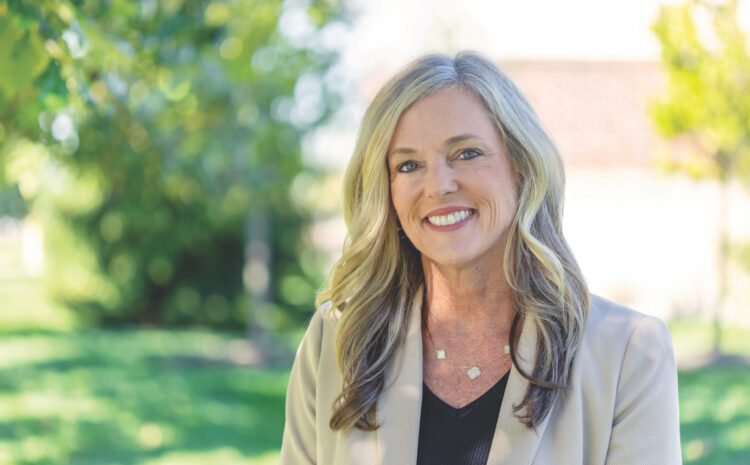
“What I think is so awesome about this time is that we are right in the middle of the largest intergenerational transfer of wealth in history. When you look at that, just in our region, [there will be] $215 billion transferring over the next 25 years. It really is a good time for anyone to think about what legacy do they want to leave,” says Michelle Lovely, senior vice president of Development and Donor Services.
By leaving a portion of an estate to an organization like The Dayton Foundation, donors could help the Miami Valley for far into the future. For example, if people in Greater Dayton left 5% of their estates to local causes, says the nonprofit, , by 2035 that commitment could generate more than $3.7 billion in new charitable resources across the region. If invested as endowments, those gifts could produce more than $189.2 million in new charitable dollars every year within a decade. By 2050, this could translate into as much as $538 million annually.
“If you have any charitable intention, I think that it’s a good time to stop and think about what is that legacy you want to leave,” adds Lovely.
This can be done in a variety of ways through the foundation, from creating an endowment fund to naming the foundation as the beneficiary of a retirement account.
“I think that any nonprofit would tell you that any gift that they receive is meaningful,” says Lovely. “There literally is a place for everyone to be a philanthropist within The Dayton Foundation structure.”
Individuals of charitable levels can also decide exactly how their funds will be used, whether it’s supporting specific nonprofits or general causes. And when the donor sets up their fund, they can decide what will happen with their fund after they pass.
“Legacy planning is one of my favorite things to do with a family because when you name The Dayton Foundation in your will or your trust, or as a beneficiary, you create a legacy plan with us. And so essentially you say, ‘Dayton Foundation, you’re receiving assets upon my passing.’ You never have to change that designation in your documents again because you’re putting that placeholder as your fund at The Dayton Foundation, but you can change it with us then as many times as you want,” says Lovely.
If interested in learning more, Lovely encourages individuals to set up an appointment so she can help them find the option that fits them best.
“I think the first step in my mind is just sitting down with us, having a conversation around really thinking about what that legacy is,” says Lovely.
You can learn more about The Dayton Foundation at daytonfoundation.org or 937-222-0410.
