

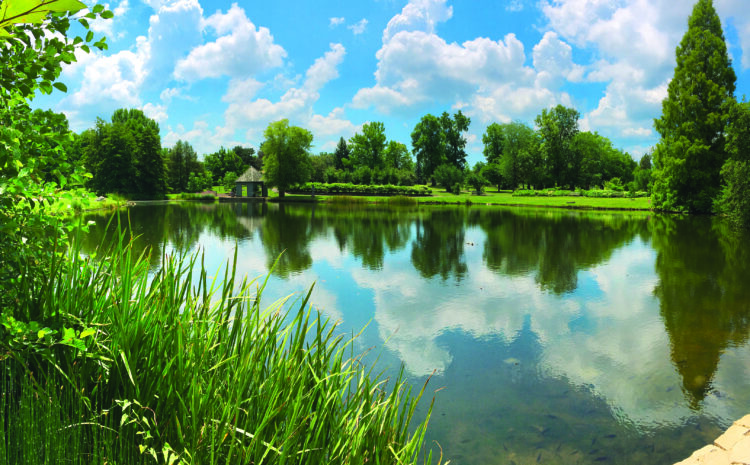
Arboretum has provided an outdoor escape for more than 60 years
Cox Arboretum, a 174-acre tapestry of wildlife, stands just south of Dayton. With its trails, meadows and gardens, “the Arb” has long provided an escape from urbanity (and suburbanity). But how, amongst nondescript highways and housing developments and strip malls, did this gorgeous landscape get here? And why wasn’t it developed like so many of Dayton’s long-gone verdant vistas?
Spring Running Saved
In January 1952, James M. Cox, Jr., the son of Dayton Daily News magnate, Ohio Governor, U.S. Representative and 1920 Democratic U.S. presidential candidate, James M. Cox, bought a farm south of Dayton as a weekend retreat, expanded it and named it Spring Running.
A decade later, in the early 1960s, as the nascent suburbs rode roughshod over the Ohio countryside, a local developer courted Cox for his land, hoping to fell the trees, bulldoze the land and build some 200 prefab homes.
Meanwhile, Cox’s cousin’s wife, Jean Mahoney, was busy working with Jean Woodhull, Ruth Burke, Marie Aull and other concerned citizens on the Save Open Space Committee. With their movement gaining momentum, Mahoney expressed her concerns about the proposed development, suggesting Cox instead transform Spring Running into an arboretum.
Cox, not the most patient man, gruffly responded to Mahoney, “Well, go figure something out.” Inspired by Philadelphia’s Morris Arboretum, Cleveland’s Emerald Necklace and Dawes Arboretum in Newark, Ohio, Mahoney put forth a well-researched proposal, to which Cox wrote a pithy reply: “Congratulations. You got your arboretum!”
Cox Arboretum Takes Root
On Dec. 3, 1962, the Spring Running title was transferred to the James M. Cox, Jr., Arboretum Foundation. The following year, 1963, Jean Mahoney was elected president of the board of trustees. Soon, she formed a master plan, began fundraising and, alongside a team of volunteers, including Jean Woodhull, Ruth Burke and Marie Aull, oversaw the planting of pines, spruces, lilacs, junipers, crabapples, Linden trees and numerous plants donated from Dawes Arboretum.
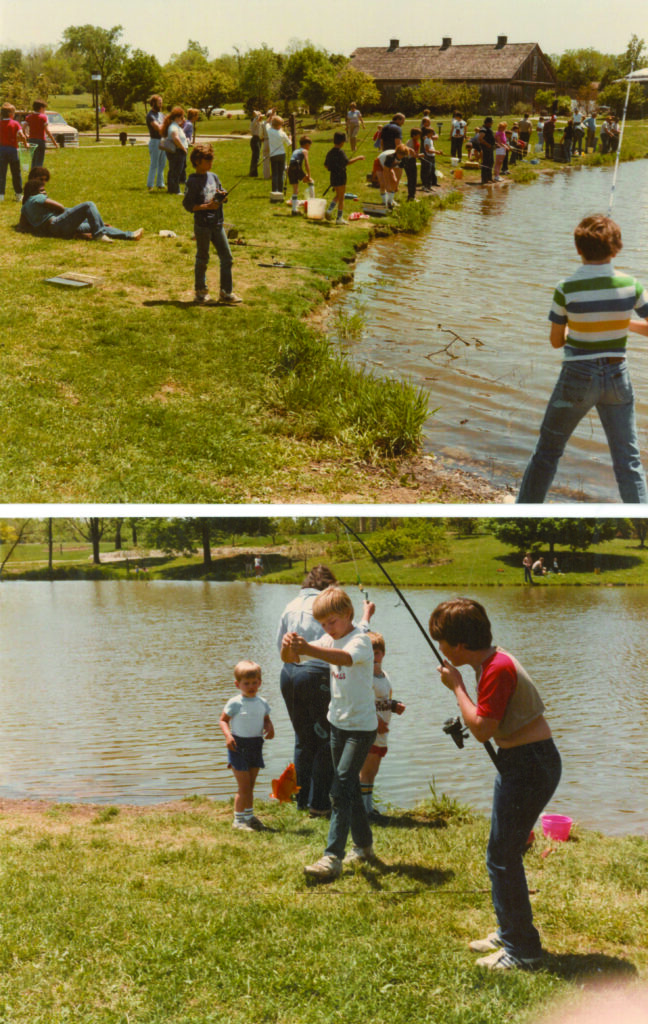
The Montgomery County Park District Ushers in a New Era
A decade later, in 1972, the Arboretum Foundation teamed with the Montgomery County Park District (now Five Rivers MetroParks), forming a unique public-private partnership: The foundation handled fundraising while the park district managed operations. It worked. Over the next decade, the Arb unveiled a new visitor center, water garden, crabapple allée, the Monet Bridge and gardens for ferns, hostas and wildflowers.
During this time, Marvin Olinsky, the former assistant director for horticulture at the New York Botanical Garden, became director of Cox Arboretum. Olinsky ushered in year-round events, increased educational programming, and was so effective that he soon became director of the Montgomery County Park District.
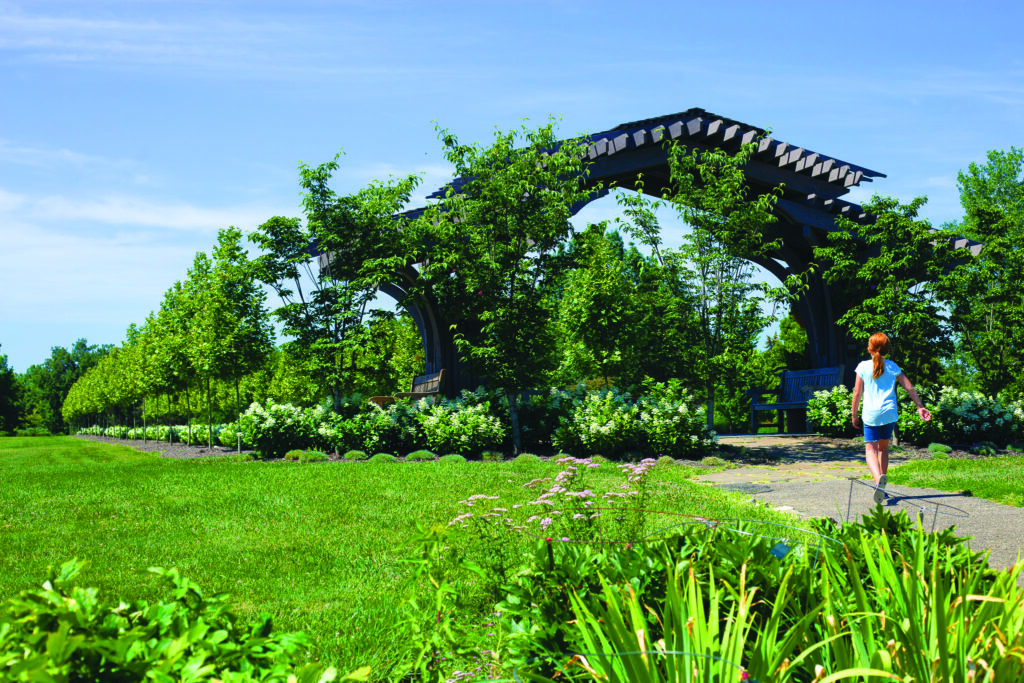
Continued Growth
Throughout the 1980s, 1990s and early aughts, the Arb continued to expand, adding plantings, collections, a Children’s Maze and the Butterfly House (which, at the time, was one of only four such attractions in the country).
In 2004, the Zorniger Education Center was unveiled, featuring a new education center, grow house, learning lab and outdoor classrooms, among other highlights. Two years later, François Goffinet, the Belgian aristocrat turned world-famous architect, was hired to create a new master plan. In the ensuing years, Cox Arboretum dedicated a new arbor, allée, the Iris Garden, the Maimon Memorial Garden, the Margaret Hong Peony Memorial Garden, the Niehaus Lilac and Magnolia Collection, the Barbara Cox Center for Sustainable Horticulture and the Tree Tower, a 65-foot observation tower hoisted atop three Douglas Fir tree trunks, offering panoramic views of the Miami Valley.
The Gift that Keeps Giving
Today, over 60 years since Jean Mahoney convinced her husband’s cousin, James M. Cox, Jr., to transform his land, Spring Running, into a botanical haven rather than a nondescript housing development, it outshines the surrounding highways and strip malls as a symbol of environmental stewardship and community engagement. Through its rich history, diverse gardens and commitment to education, Cox Arboretum has woven itself into the fabric of the Dayton community, leaving a lasting mark on both the landscape and the lives of those who visit.
