

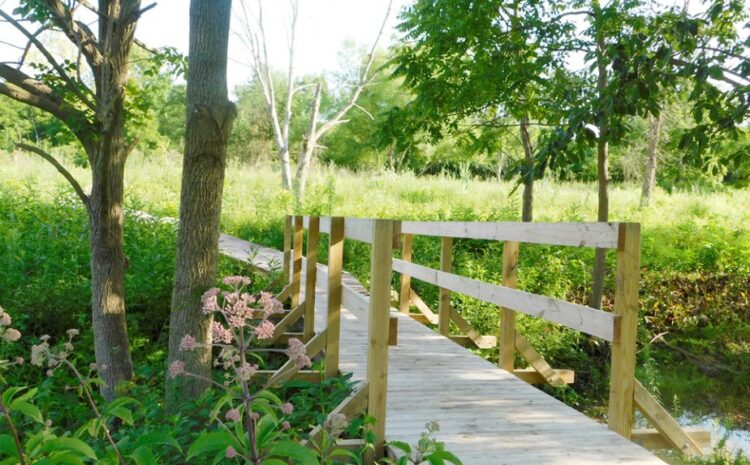
Spring is a good time to visit Dayton’s wetlands
Springtime is a great way to experience the Dayton region’s natural water filtration system—wetlands. By definition, wetlands are “areas that are inundated or saturated by surface or groundwater at a frequency and duration sufficient to support, and that under normal circumstances do support, a prevalence of vegetation typically adapted for life in saturated soil conditions. Wetlands generally include swamps, marshes, bogs and similar areas.” The result? Pools of water teeming with life!
The shallow waters produce high levels of nutrients, making wetlands ideal habitat for creatures that form the base of the food web and feed many species of fish, amphibians, shellfish and insects. Furthermore, wetlands’ microbes, plants and wildlife are part of global cycles for water, nitrogen and sulfur. For the Dayton region, wetlands are also economic generators. They filter and help maintain the health of the regional watershed and the large aquifer, which many companies rely on for productivity.
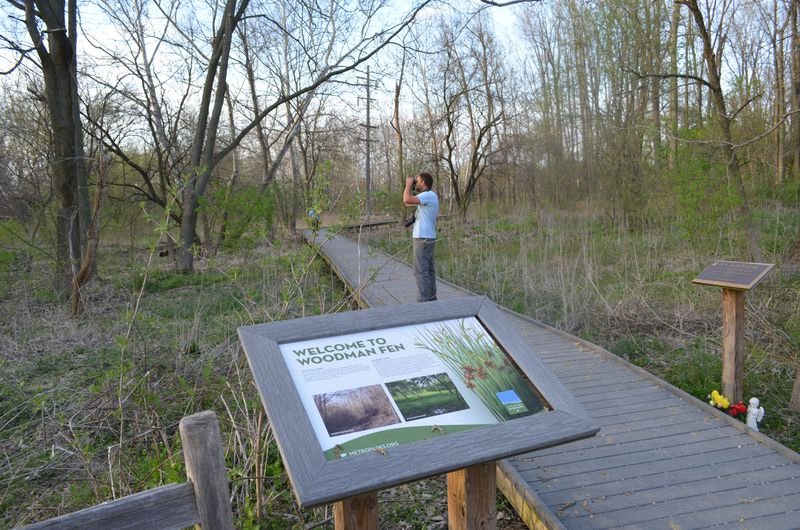
Wetlands explode with sound and color in the spring. Popular sightings include wildflowers, skunk cabbage (beautiful yet … pungent) and the ever-present chorus of spring peeper frogs. Get out and explore the wetlands in our area:
● Woodman Fen, 2490 Newcastle Dr, Dayton
● Estel Wenrick Wetlands, 2855 Union Road, Medway
● Siebenthaler Fen Boardwalk – Beavercreek Wildlife Area, 1998 Fairground Road #1952, Beavercreek
● Pearl’s Fen, 4535 Byron Road, Fairborn
● Koogler Wetland Prairie Reserve, 2779 Beaver Valley Road #2735, Beavercreek